Deer hunting is a time-honored tradition that combines skill, patience, and a deep connection with nature. Whether you’re a seasoned hunter or a beginner, honing your techniques can significantly increase your chances of success. This guide offers proven tips for mastering deer hunting, focusing on preparation, strategy, and execution.
Understanding Deer Behavior
A fundamental aspect of successful deer hunting is understanding the behavior of your quarry. Deer are creatures of habit, and recognizing their patterns can give you a significant advantage.
Daily Routines
Deer typically follow a routine that includes feeding, bedding, and moving between these areas. They are most active during the early morning and late afternoon. Familiarizing yourself with these patterns in your hunting area can help you plan your hunt effectively.
Seasonal Changes
Deer behavior changes with the seasons. During the rut, bucks are more active and less cautious as they search for mates. Post-rut, they become more elusive. Understanding these seasonal shifts allows you to adjust your strategy accordingly.
Essential Gear for Deer Hunting
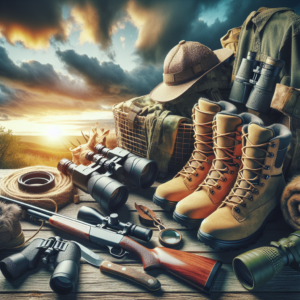
Having the right gear is crucial for a successful hunt. Beyond your weapon of choice, several other pieces of equipment can enhance your experience and increase your chances of success.
Clothing
Invest in quality camo clothing suited for the environment you’re hunting in. Layering is essential, as it allows you to adjust to changing temperatures. Scent control clothing can also help reduce your odor, making it harder for deer to detect you.
Optics
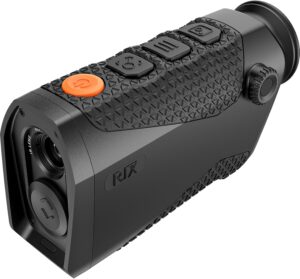
A good pair of binoculars or a spotting scope is indispensable for scanning the terrain and identifying deer from a distance. A rangefinder can help you determine the exact distance to your target, ensuring more accurate shots.
Weapons and Ammunition
Choose a rifle or bow that suits your style and the hunting conditions. Ensure your weapon is well-maintained and sighted in before the season begins. Selecting the right ammunition or arrows is equally important for effective and ethical hunting.
Scouting and Preparing Your Hunting Area
Scouting is a critical step in preparing for a successful hunt. The more you know about your hunting area, the better your chances of encountering deer.
Pre-Season Scouting
Spend time before the season starts walking your hunting area. Look for deer signs such as tracks, droppings, and rubs. Identify food sources like acorn-producing oak trees and water sources, as these are likely to attract deer.
Trail Cameras
Deploy trail cameras to monitor deer activity. This technology provides invaluable insights into the movements and habits of deer in the area, allowing you to plan your hunts more strategically.
Stand Placement and Blind Construction
Choosing the right location for your stand or blind can make a significant difference in your hunting success.
Tree Stands
Position your tree stand downwind of deer trails, feeding areas, or water sources. Ensure it’s high enough to avoid detection but not so high that it affects your shooting angle. Safety is paramount, so always use a harness.
Ground Blinds
Ground blinds offer versatility and concealment. Blend them into the environment using natural materials. Ensure you have a clear line of sight and shooting lanes from inside the blind.
Hunting Techniques and Strategies
Effective hunting techniques are crucial for success. Here are some strategies to enhance your deer hunting skills.
Still Hunting
Still hunting involves moving slowly and quietly through the woods, pausing frequently to scan for deer. This method requires patience and acute attention to your surroundings, but it can be very effective.
Calling and Rattling
Calling and rattling can attract deer by mimicking natural sounds. Grunt calls can simulate a buck challenging another, while rattling antlers can mimic two bucks fighting. Use these techniques sparingly and strategically to avoid spooking deer.
Scent Control
Deer have an extraordinary sense of smell, making scent control a critical component of a successful hunt.
Personal Scent Management
Shower with scent-free soap and use scent-free laundry detergent on your hunting clothes. Store your clothes in a scent-proof bag until you reach your hunting area.
Field Scent Reduction
Apply scent-eliminating sprays once you’re in the field. Position yourself downwind of expected deer paths to minimize your scent reaching them.
Marksmanship and Shot Placement
Achieving a clean, ethical kill requires practice and understanding of deer anatomy.
Practice Regularly
Spend time at the range practicing with your weapon. Focus on accuracy and consistency, simulating real hunting conditions as closely as possible.
Understanding Shot Placement
Aim for the vitals, which are located in the chest area behind the front shoulder. A well-placed shot ensures a quick, humane kill and minimizes the chances of wounding an animal.
Post-Shot Procedures
After taking a shot, the work isn’t over. Proper post-shot procedures are crucial for recovering your deer.
Tracking
If the deer doesn’t drop immediately, give it time to expire. Follow the blood trail carefully, marking your path as you go. Be patient and methodical to avoid pushing the deer further away.
Field Dressing
Once you’ve located your deer, field dressing is the next step. This process removes the internal organs and helps cool the meat quickly. Familiarize yourself with the procedure beforehand to ensure it’s done efficiently.
Conclusion
Mastering deer hunting requires a blend of knowledge, skill, and respect for the quarry. By understanding deer behavior, preparing effectively, and employing proven hunting strategies, you can increase your chances of success. Remember to hunt ethically and responsibly, ensuring the sustainability of wildlife populations for future generations to enjoy. Happy hunting!
“`
#ChatGPT assisted in the creation of this article.