Hunting on public lands in the United States continues to offer a unique opportunity for outdoor enthusiasts to engage in wildlife management and conservation efforts. However, it also comes with a set of responsibilities and legal requirements that hunters must follow. As we move through 2026, understanding the essential public land hunting laws is more important than ever to ensure both individual safety and the long-term sustainability of wildlife populations. This article explores the key regulations and considerations that every hunter should be aware of when hunting on public lands in 2026.
Understanding Public Land Designations
Public lands in the United States are managed by various federal, state, and local agencies, each operating under its own set of rules and regulations. The primary federal agencies include the Bureau of Land Management (BLM), the U.S. Forest Service, the National Park Service, and the U.S. Fish and Wildlife Service. These agencies manage land for different purposes such as conservation, recreation, and resource management.
Bureau of Land Management (BLM)
The Bureau of Land Management oversees vast areas of public land, primarily in the western United States. In 2026, most BLM lands remain open to hunting, provided hunters comply with both federal and state regulations. Hunters must verify current season dates, legal species, and any location-specific restrictions before entering BLM-managed areas.
U.S. Forest Service
National forests managed by the U.S. Forest Service continue to be popular hunting destinations. While hunting is generally permitted, regulations can vary significantly between forests and even within different zones of the same forest. Hunters should review forest-specific rules, permit requirements, and seasonal restrictions applicable in 2026.
National Park Service
Most national parks still prohibit hunting to protect ecosystems and wildlife. However, some national preserves and recreation areas managed by the National Park Service may allow limited hunting activities. Hunters planning trips in 2026 must consult individual park regulations, as rules differ by location.
U.S. Fish and Wildlife Service
National Wildlife Refuges managed by the U.S. Fish and Wildlife Service often allow regulated hunting to support wildlife population management and conservation goals. Hunting opportunities vary by refuge, and hunters must review refuge-specific regulations, seasons, and access rules for 2026.
Licensing and Permits
Obtaining the appropriate licenses and permits remains a fundamental requirement for hunting on public lands. These documents ensure compliance with wildlife management objectives at both state and federal levels.
State Hunting Licenses
Each state requires hunters to hold a valid hunting license for the state in which they are hunting. In 2026, many states continue to offer digital licensing options, but hunters must ensure their licenses are valid, current, and appropriate for their residency status. Reduced fees may still apply for youth, seniors, and military personnel, depending on state programs.
Federal Duck Stamp
Waterfowl hunters are still required to purchase and carry a Federal Duck Stamp. Revenue from these stamps supports wetland conservation and habitat protection across the country. Hunters pursuing migratory waterfowl in 2026 must carry proof of a valid duck stamp while in the field.
Special Permits and Tags
Many states require additional permits or tags for certain species or hunting methods. These permits are often distributed through lottery or limited-draw systems to manage wildlife populations responsibly. Hunters should apply early and confirm permit requirements well ahead of the 2026 hunting seasons.
Firearms and Equipment Regulations
Using legal and appropriate equipment is essential for safe and lawful hunting on public lands. Firearm and equipment regulations vary by state and managing agency.
Firearm Restrictions
States maintain specific rules governing firearm types, calibers, magazine capacities, and weapon configurations for different species. Some areas restrict the use of certain firearms, including semi-automatic rifles. Hunters must verify that their equipment complies with 2026 regulations for both the state and the land management agency.
Archery Equipment
For archery hunters, regulations often specify minimum draw weights, arrow types, and broadhead requirements. Crossbow use may still be restricted in some states or limited to certain seasons or eligible hunters. Hunters should confirm archery equipment legality before hunting in 2026.
Hunting Gear
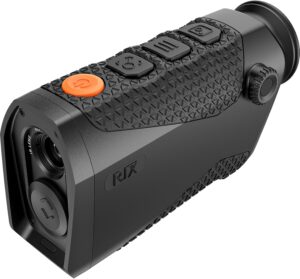
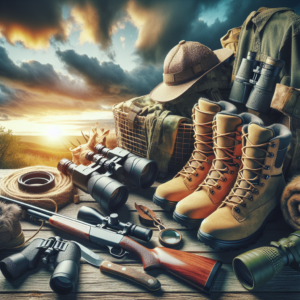
Additional gear such as scopes, decoys, calls, and electronic devices may be subject to restrictions depending on location. Many areas continue to require blaze orange clothing during firearm seasons for safety purposes. Hunters must ensure all equipment meets current legal standards.
Season Dates and Bag Limits
Season dates and bag limits are established to protect wildlife populations and ensure sustainable hunting practices.
Season Dates
Each species has designated hunting seasons based on biological and population data. Hunting outside of legal season dates remains a serious violation and may result in fines, license suspension, or confiscation of equipment in 2026.
Bag Limits
Bag limits control the number of animals a hunter may harvest per day or per season. These limits help prevent overharvesting and support conservation goals. Hunters should pay close attention to daily, seasonal, and possession limits, especially when hunting migratory species.
Conservation and Ethical Hunting Practices
Responsible hunting on public lands requires a strong commitment to conservation and ethical behavior.
Leave No Trace
Hunters should continue to follow Leave No Trace principles by packing out trash, minimizing environmental impact, respecting wildlife, and preserving natural habitats for future use.
Fair Chase
Fair chase principles emphasize ethical hunting practices that do not give hunters an unfair advantage. This includes obeying all game laws, avoiding illegal methods, and ensuring humane harvests.
Participation in Conservation
Hunters are encouraged to actively support conservation through habitat restoration projects, wildlife surveys, and conservation organizations. These efforts contribute to the long-term health of wildlife populations and public land ecosystems.
Conclusion
Hunting on public lands in 2026 requires a clear understanding of laws and regulations designed to protect wildlife, hunters, and natural habitats. By understanding public land classifications, obtaining proper licenses and permits, following equipment and season rules, and practicing ethical hunting, hunters can enjoy safe and rewarding experiences. Responsible hunting supports conservation efforts and helps ensure that future generations can continue to enjoy America’s public lands and hunting traditions.
#ChatGPT assisted in the creation of this article.