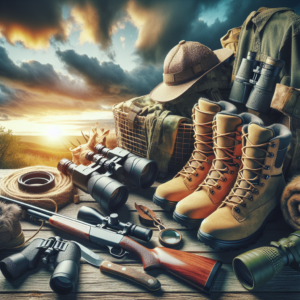
Hunting is as much about skill and knowledge as it is about the gear you use. While traditional skills remain invaluable, modern equipment can significantly enhance your chances of success. Optimizing your hunting gear setup is crucial to ensure you are prepared for any situation that might arise in the field. This guide will walk you through how to efficiently organize and choose the right gear, focusing on enhancing your hunting experience and increasing your success rate.
Understanding Your Hunting Environment
Before delving into gear specifics, it’s essential to understand the environment you will be hunting in. The terrain, weather conditions, and type of game will heavily influence the gear you need. For instance, hunting in dense forests requires different equipment compared to open plains or mountainous regions. Knowing your environment helps you make informed decisions about the types of clothing, footwear, and tools you’ll need.
Clothing and Footwear
Your clothing is your first line of defense against the elements. Proper attire can mean the difference between a successful hunt and an uncomfortable experience. Opt for moisture-wicking, breathable fabrics that offer insulation and protection against harsh weather. Layering is key; it allows you to add or remove clothing as temperatures change.
Footwear is equally critical. Choose boots that are appropriate for the terrain. Waterproof boots are essential for wet environments, while lightweight, breathable boots work well in dry, warm areas. Ensure they offer good ankle support and have a reliable grip to prevent slips and falls.
Camo Patterns
Camouflage patterns should match the environment. Whether you’re hunting in woodland, marsh, or desert, your camo should help you blend seamlessly into the surroundings. Consider the season as well; different patterns work better in spring, summer, fall, or winter settings.
Choosing the Right Weapons
The choice of weapon is another critical aspect of your hunting gear setup. Whether you prefer a bow, rifle, or shotgun, understanding the strengths and limitations of each is vital.
Rifles
If you are using a rifle, consider the caliber that best suits your target game. Larger calibers like .308 or .30-06 are ideal for big game, while smaller calibers like .223 might be more appropriate for smaller animals. Ensure your rifle is well-maintained and sighted in before heading out.
Bows
For bow hunters, choosing between a compound or recurve bow depends on personal preference and the type of game. Compound bows offer more power and accuracy, while recurve bows are lighter and more traditional. Invest in quality arrows and ensure they are properly matched to your bow.
Optics and Scouting Tools
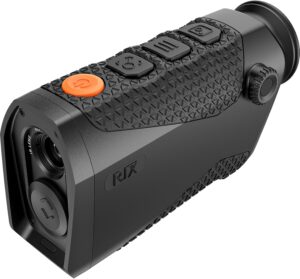
Optics are crucial for spotting and identifying game from a distance. A good pair of binoculars is essential, but you might also consider a rangefinder to accurately gauge distances. Scopes for rifles should have clarity, light-gathering ability, and the right magnification level for your hunting environment.
Trail cameras can be invaluable for scouting. They help you track animal movements and understand their habits, allowing you to plan your hunt more strategically.
Packs and Storage Solutions
Your backpack is your mobile base camp. It should be large enough to carry all your essentials without being cumbersome. Look for packs with multiple compartments for organized storage and easy access. Consider waterproof or water-resistant materials to protect your gear from the elements.
Essential Items to Pack
- First aid kit
- Knife or multi-tool
- Survival gear (compass, map, fire starter)
- Water purification system
- Food and water
Communication and Safety Devices
Safety should always be a priority. Ensure you have reliable communication devices, like a fully charged mobile phone or a two-way radio. In remote areas, a satellite phone could be a life-saver.
Consider carrying a GPS device for navigation, especially if you’re hunting in unfamiliar territory. Personal locator beacons (PLBs) are also recommended for emergencies, as they can send distress signals and your location to rescuers.
Field Dressing and Game Care Equipment
Once you’ve successfully harvested game, field dressing is the next step. Ensure you have a quality hunting knife with a sharp, durable blade. A bone saw might also be necessary for larger game. Having the right tools for field dressing will help you preserve the meat and make transportation easier.
Conclusion
Optimizing your hunting gear setup involves careful planning and consideration of your specific needs and the environment you will be hunting in. By choosing the right clothing, weapons, optics, and safety equipment, you increase your chances of a successful and enjoyable hunt. Remember, the best gear is not always the most expensive but the most suitable for your specific hunting style and environment.
Invest time in understanding your gear, practice using it, and always prioritize safety to ensure that your hunting trips are both successful and enjoyable.
#ChatGPT assisted in the creation of this article.