Hunting in the rain can be a challenging yet rewarding experience. While many hunters shy away from wet weather, those who embrace it often find that rainy days can increase their chances of success. Animals tend to be more active during light rain, and the damp environment can help mask your scent and noise. In this article, we will explore essential tips and techniques to help you master the art of rainy day hunting.
Understanding Animal Behavior in the Rain
Before heading out on a rainy hunting expedition, it’s crucial to understand how different weather conditions affect animal behavior. Many game animals, such as deer and wild turkeys, tend to move more during light rain. This increased movement is often due to reduced human activity and the cover that rain provides. However, heavy rain can drive animals to seek shelter, making them harder to find.
The scent of rain can also play a significant role. The moisture in the air can amplify scents, both masking your own and allowing you to detect the presence of game more efficiently. Understanding these behavioral patterns will enable you to make informed decisions during your hunt.
Choosing the Right Gear
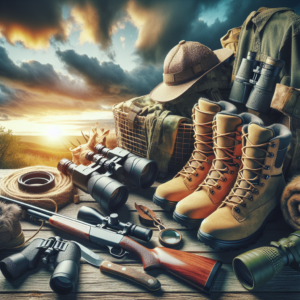
Rainy weather necessitates specialized gear to ensure comfort and effectiveness. Investing in quality waterproof clothing is essential. Look for breathable, waterproof jackets, pants, and boots. Gore-Tex and similar materials are excellent options for keeping you dry while allowing your skin to breathe.
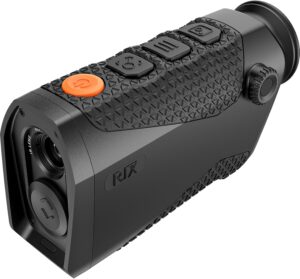
Additionally, consider using waterproof gear for your weapons and optics. A waterproof gun case or a rain cover for your scope can prevent damage and maintain visibility. Don’t forget to pack a rain-resistant backpack to keep your gear dry and organized.
Staying Comfortable and Safe
Comfort and safety are paramount when hunting in the rain. Hypothermia is a real risk, so dressing in layers and choosing moisture-wicking materials is essential. Keep an eye on the weather forecast and be prepared to call it a day if conditions become too extreme.
Visibility can also be compromised in rainy conditions, so wearing high-visibility clothing or gear can help ensure your safety, especially if you’re hunting in a popular area. Always inform someone of your location and expected return time for added security.
Adapting Your Hunting Strategy
Rainy conditions may require you to adjust your hunting strategy. For instance, stalking is often more effective than still hunting in the rain. The sound of rain hitting leaves and branches can mask your movements, allowing you to get closer to your target.
When setting up in a stand or blind, choose a location that offers natural cover from the rain. Use the wind to your advantage, and remember that rain can alter wind patterns. Keep a close eye on animal trails, as rain can wash away scent trails, making it easier for you to approach undetected.
Maximizing Your Scent Control
Rain can be both a blessing and a curse when it comes to scent control. While moisture can help mask your scent, it can also amplify it if you’re not careful. Use scent-free soaps and detergents, and consider applying scent-blocking sprays to your clothing and gear.
Pay attention to the wind direction, and position yourself accordingly. Rain can cause unpredictable wind shifts, so be prepared to adjust your position as needed. Always carry a wind checker to monitor changes and stay downwind of your target.
Using Calls and Decoys Effectively
Calls and decoys can be highly effective tools during a rainy hunt. The sound of rain can muffle calls, so opt for louder or electronic calls to ensure they’re heard. Experiment with different calls to determine which ones work best in wet conditions.
Decoys can also be a powerful lure, especially when visibility is reduced. Position them in open areas where they are easily visible to passing game. Use lifelike, waterproof decoys to withstand the rain and maintain their effectiveness.
Navigating Challenging Terrain
Rain can transform familiar terrain into a challenging environment. Muddy trails, slippery rocks, and swollen streams can pose hazards to even the most experienced hunters. Always carry a map and compass or a GPS device to prevent getting lost.
Wear sturdy, waterproof boots with good traction to navigate slippery surfaces safely. Trekking poles or a walking stick can provide additional stability on uneven ground. Take your time and be cautious to avoid accidents and ensure a successful hunt.
Field Dressing and Meat Care
Once you’ve successfully harvested game, proper field dressing and meat care are crucial, especially in wet conditions. The rain can accelerate spoilage, so it’s essential to act quickly. Use a waterproof tarp or bag to keep the meat dry while field dressing.
Ensure your knife and other tools are sharp and clean to facilitate the process. If possible, transport the meat to a sheltered area for thorough cleaning and packing. Consider using a portable meat cooler to keep your harvest fresh until you return home.
Conclusion
Mastering rainy day hunting requires a combination of preparation, adaptability, and skill. By understanding animal behavior, choosing the right gear, and adjusting your strategies, you can turn a rainy day into a successful hunting experience. Embrace the unique challenges and opportunities that wet weather provides, and you’ll find yourself becoming a more versatile and accomplished hunter.
Remember, safety should always be your top priority. Equip yourself with the knowledge and tools necessary to navigate rainy conditions, and you’ll not only survive but thrive in the elements. Happy hunting!
#ChatGPT assisted in the creation of this article.