Spot and stalk hunting is a time-honored technique that requires patience, skill, and a deep understanding of the natural environment. Unlike other hunting methods, spot and stalk involves locating game from a distance and meticulously planning a strategic approach to get within shooting range. This method not only tests a hunter’s physical endurance but also their mental acuity. For those looking to master this challenging yet rewarding hunting style, this article will delve into the essential tips and techniques that can enhance your success in the field.
Understanding the Basics of Spot and Stalk Hunting
What is Spot and Stalk Hunting?
Spot and stalk hunting involves two primary phases: spotting the game and then executing a careful stalk to get within a suitable range for a shot. The process starts with using optics like binoculars or spotting scopes to locate game animals from a distance. Once the target is identified, hunters plan a quiet and strategic approach, taking into account wind direction, terrain, and the animal’s behavior.
The Importance of Scouting
Scouting is a crucial preparatory step in spot and stalk hunting. By spending time in your chosen hunting area before the season begins, you can learn the movements and habits of the game. Look for signs such as tracks, droppings, and feeding areas. Consider using trail cameras to gather more data on animal patterns. Scouting will inform your strategy and increase your chances of a successful hunt.
Essential Gear for Spot and Stalk Hunting
Optics
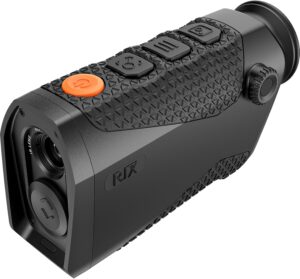
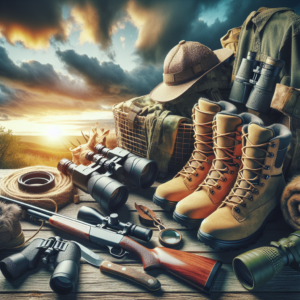
Quality optics are indispensable in spot and stalk hunting. A good pair of binoculars and a spotting scope with a stable tripod can make a significant difference. Optics allow you to scan large areas without having to physically traverse them, saving energy and reducing noise that could alert the game to your presence.
Clothing and Footwear
Your clothing should be appropriate for the terrain and weather conditions. Opt for moisture-wicking, breathable fabrics that offer both camouflage and comfort. Footwear is equally important; choose lightweight, durable boots that provide good traction and support over rough terrain. Quiet fabrics and soft soles help minimize noise during the stalk.
Backpack and Essentials
A well-organized backpack is crucial. It should have enough space to carry water, snacks, a first aid kit, and other essentials like a map, GPS, and a rangefinder. Consider a pack with a hydration system for easy access to water during long stalks.
Techniques for Effective Spotting
Choosing the Right Vantage Point
Success in spotting starts with selecting the right vantage point. Look for elevated positions that offer a wide field of view but also provide cover to keep you concealed. Early mornings and late afternoons, when animals are most active, are ideal times for spotting.
Using Optics Efficiently
When using binoculars or a spotting scope, start by scanning the landscape systematically. Divide the area into sections and sweep each one slowly to ensure you don’t overlook any game. Pay attention to movement or unnatural shapes that could indicate an animal.
Mastering the Art of the Stalk
Planning Your Approach
Once you’ve located your target, assess the terrain and plan the best route to close the distance. Consider the wind direction, as approaching from downwind will help mask your scent. Use natural cover such as trees, rocks, and vegetation to stay hidden from your quarry.
Moving Stealthily
Stealth is critical when stalking. Move slowly and deliberately, placing each foot carefully to avoid snapping twigs or rustling leaves. Keep a low profile and be mindful of your silhouette against the skyline. Use pauses to scan your surroundings and ensure the animal hasn’t detected your approach.
Reading Animal Behavior
Understanding animal behavior is key to knowing when and how to move. Learn to recognize signs of alertness in the animal. If it becomes aware of your presence, freeze and wait for it to relax before continuing your approach. Patience is essential; rushing the stalk can easily result in spooking the game.
Executing the Perfect Shot
Getting into Position
Once within shooting range, carefully get into a stable shooting position. Whether you prefer prone, kneeling, or using shooting sticks, ensure you have a clear line of sight to your target. Take your time to control your breathing and steady your aim.
Making the Ethical Shot
Ethics in hunting is paramount. Before pulling the trigger, be certain of your target and your ability to make a clean, humane kill. Consider factors like distance, wind, and the animal’s position. If conditions aren’t perfect, be willing to pass up the shot and wait for a better opportunity.
Post-Hunt Considerations
Tracking and Recovery
After taking the shot, give the animal time to expire before tracking it. Mark your shooting location and the animal’s last known position. Use blood trails and tracks to aid in recovery. Be patient and methodical in your search to ensure a successful recovery.
Field Dressing and Meat Care
Proper field dressing is crucial to preserving the quality of the meat. Have the necessary tools on hand, and work quickly to cool the meat and prevent spoilage. Transport it out of the field as soon as possible and store it properly until you can process it fully.
Conclusion
Mastering spot and stalk hunting for big game is a rewarding endeavor that enhances your skills as a hunter and deepens your appreciation for nature. By understanding the intricacies of spotting, stalking, and executing a successful shot, you can increase your success in the field while maintaining ethical hunting practices. With patience, practice, and respect for the environment, you can become a proficient spot and stalk hunter and create memorable experiences in the great outdoors.
#ChatGPT assisted in the creation of this article.