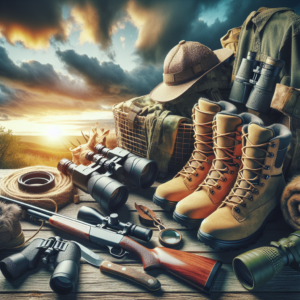
Rifle hunting is a skill that combines knowledge, patience, and precision. While it may seem straightforward, success in rifle hunting requires mastering a range of techniques and understanding the nuances of both the environment and the quarry. This article delves into proven techniques for becoming a successful rifle hunter, offering insights that will enhance both the experience and outcome of your hunting trips.
Preparation: The Foundation of Success
Before stepping foot in the wilderness, preparation is essential. This phase involves understanding your equipment, physical conditioning, and knowledge of the hunting grounds.
Understanding Your Equipment
A comprehensive understanding of your rifle is the first step towards success. Familiarize yourself with the mechanics, maintenance, and optimal performance conditions of your firearm. Regularly practice shooting at a range to improve accuracy and confidence. Consider the following:
– Caliber Selection: Choose a caliber that suits the type of game you intend to hunt. Larger calibers are suitable for big game, while smaller calibers work well for small game.
– Optics: Invest in quality optics. A good scope can make the difference between a successful shot and a missed opportunity. Ensure it is correctly zeroed and practice using it in different lighting conditions.
– Safety: Always prioritize safety. Regularly inspect your rifle for any signs of wear or malfunction and ensure you are comfortable with its safety features.
Physical and Mental Conditioning
A successful hunt demands physical endurance and mental sharpness. Engage in regular physical activities like hiking, running, and strength training to build stamina and strength. Mentally, cultivate patience and focus, as hunting often involves long periods of waiting and observing.
Scouting the Terrain
Become familiar with the hunting area. Use maps, GPS, or apps that provide topographical information. Identifying key features such as water sources, feeding areas, and trails will enhance your strategy. Consider scouting during different times of the day to observe animal movement patterns.
Stealth and Strategy: The Art of the Hunt
Once in the field, stealth and strategy are crucial. Animals have keen senses, and mastering the art of remaining undetected will significantly increase your chances of success.
Camouflage and Concealment
Choose clothing that blends with the environment. Consider the season and the specific terrain’s color palette. Additionally, use natural cover and shadows to your advantage, and remain mindful of your silhouette, especially when moving.
Wind and Scent Control
Animals have a strong sense of smell. Always hunt with the wind in your face to prevent your scent from reaching the quarry. Use scent-masking sprays or soaps to minimize human odor. Pay attention to changing wind directions and adjust your position accordingly.
Movement and Noise Discipline
Move slowly and deliberately, taking care to stay as quiet as possible. Avoid stepping on dry leaves, twigs, or other noisy surfaces. When necessary, synchronize your movements with natural sounds, such as rustling leaves or wind, to mask any noise you might make.
Choosing the Right Stand or Stalk
Decide whether a stationary stand or a stalking approach suits the situation better. Stands are effective in areas with high animal activity, while stalking allows you to cover more ground and adjust to changing conditions. Each method has its advantages, and understanding when to employ each is key.
Shot Placement and Execution
When the moment arrives, precise shot placement and execution are vital. This ensures a humane kill and minimizes the risk of losing a wounded animal.
Understanding Animal Anatomy
Study the anatomy of the game you are hunting. Knowing vital organs’ locations, such as the heart and lungs, will aid in precise shot placement. Aim for these areas to ensure a quick and ethical kill.
Control and Patience
Take your time to ensure a steady aim. Control your breathing and wait for the right moment when the animal is stationary and broadside. Rushed shots often result in missed opportunities or non-lethal hits, which are detrimental to both the hunter and the animal.
Follow-Up and Tracking
After taking a shot, remain calm and observe the animal’s reaction. If it does not drop immediately, prepare to track it. Look for blood trails, broken branches, or disturbed vegetation to follow its path. Patience and keen observation are essential in this phase.
Post-Hunt Responsibilities
The hunt does not end with a successful shot. Ethical hunters respect the game and the environment, ensuring that nothing goes to waste and that the area remains undisturbed for future hunts.
Field Dressing and Meat Care
Learn the basics of field dressing to preserve the quality of the meat. This involves removing the internal organs and cooling the carcass quickly to prevent spoilage. Proper meat care is crucial, especially in warm climates.
Leave No Trace
Practice the principles of “Leave No Trace” to preserve the natural habitat. Remove all trash, including spent cartridges, and avoid disturbing the landscape. This ensures that the environment remains pristine for future generations of hunters.
Reflection and Continuous Learning
Take time to reflect on the experience. Regardless of the outcome, every hunt offers valuable lessons. Share stories and insights with fellow hunters, and continuously seek to improve your skills and knowledge.
Conclusion
Mastering rifle hunting is a rewarding journey that combines skill, strategy, and respect for nature. By understanding your equipment, honing your stealth and strategy, and executing shots with precision, you enhance your chances of success. Remember, hunting is not just about the harvest but also about the experience, the connection with nature, and the responsibility we bear as stewards of the wild. Embrace the challenge, learn from each outing, and always strive to be an ethical and responsible hunter.
#ChatGPT assisted in the creation of this article.