Late season hunting presents both unique challenges and opportunities for hunters. As the seasons change and temperatures drop, wildlife behavior shifts, creating new dynamics in the field. For those willing to brave the cold, late season hunting offers the chance to encounter less pressured game, making it an ideal time for seasoned hunters to hone their skills and employ advanced strategies. This article delves into expert tips and techniques to master late season hunting, ensuring a successful and rewarding experience.
Understanding Late Season Game Behavior
Wildlife behavior during the late season is primarily influenced by the weather, food availability, and the pressure from earlier hunting seasons. As the temperature drops, animals adjust their routines to conserve energy and find food. Understanding these patterns is critical for late season success.
Deer Behavior
In the late season, deer focus on finding food sources that provide the necessary calories to maintain their body heat. They often shift from early-season feeding patterns and become more predictable, visiting food plots, agricultural fields, or natural food sources like acorns and remaining mast. Hunters should focus on these areas, especially during the late afternoon when deer are more likely to be active.
Waterfowl Behavior
Waterfowl are highly responsive to cold fronts, often migrating south in large numbers during late season. Open water becomes a prime location for hunting as smaller bodies freeze over. Understanding their migration patterns and the impact of weather changes can lead to successful hunts.
Small Game Behavior
Small game, such as rabbits and squirrels, also alter their behavior in response to colder weather. They tend to be more active during the warmer parts of the day, so timing your hunts for late morning or early afternoon can increase your chances of success.
Gear Up for the Cold
Late season hunting requires specialized gear to ensure hunter comfort and safety. The right equipment can make the difference between a successful hunt and an uncomfortable experience.
Clothing
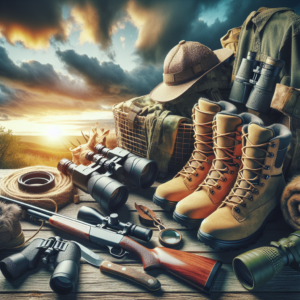
Layering is key to staying warm during late season hunts. Start with a moisture-wicking base layer to keep sweat away from your skin. Add an insulating layer, such as fleece or down, for warmth. Finally, a waterproof and windproof outer layer will protect you from the elements. Insulated boots, gloves, and a warm hat are also essential.
Optics and Equipment
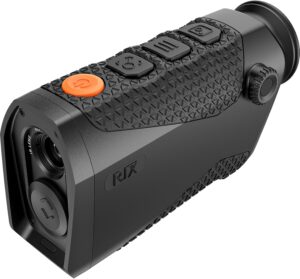
Visibility can be reduced in late season due to weather conditions. Invest in quality optics to help spot game from a distance. Additionally, ensure your weapons are properly maintained and sighted in, as cold weather can affect their performance.
Scouting and Locating Game
Effective scouting is crucial for late season hunting. By understanding game movement and identifying key locations, you can increase your chances of a successful hunt.
Using Trail Cameras
Trail cameras are invaluable tools for late season scouting. Place them near food sources, travel corridors, and bedding areas to monitor wildlife activity. This data will help you determine the best times and locations to hunt.
Identifying Food Sources
Late season game is highly food-focused. Identify available food sources and monitor them for activity. Fields with remaining crops, such as corn or soybeans, can be hotspots for deer and other game.
Understanding Terrain and Weather
Topography and weather play a significant role in game movement during the late season. Animals often seek sheltered areas in harsh conditions. Understanding how terrain impacts wind direction and thermal currents can help you choose the best stand locations.
Advanced Hunting Techniques
To succeed in late season hunting, consider employing advanced techniques that account for the unique challenges of this time of year.
Spot and Stalk
Spot and stalk is an effective method for late season hunters, especially in open terrain. Use binoculars to locate game from a distance and plan a careful approach using available cover. Move slowly and stay downwind to avoid detection.
Still Hunting
Still hunting involves moving slowly and quietly through the woods, pausing frequently to observe and listen. This technique requires patience and acute awareness of your surroundings. It can be particularly effective in areas where game is pressured and wary.
Using Decoys and Calls
Decoys and calls can be useful tools in late season hunting, particularly for waterfowl and predator hunting. Choose decoys that mimic late season plumage and use calls sparingly to avoid spooking game.
Maximizing Your Opportunities
Late season hunting requires adaptability and perseverance. By maximizing your opportunities, you can increase your chances of success.
Timing Your Hunts
Game animals are often more active during specific times of day in the late season. Pay attention to weather patterns and animal behavior to determine the best times to hunt. Early morning and late afternoon are typically productive periods.
Managing Pressure
Late season game is often wary due to hunting pressure. To increase your chances, hunt less pressured areas or seek permission to hunt private land. Avoid overhunting a single location to prevent educating the animals.
Staying Patient and Persistent
Late season hunting can be challenging and requires patience. Be prepared to put in the time and effort, even if success is not immediate. Persistence often pays off in the form of rewarding encounters with game.
Conclusion
Mastering late season hunting requires a combination of knowledge, preparation, and skill. By understanding game behavior, gearing up appropriately, scouting effectively, and employing advanced techniques, hunters can make the most of this challenging yet rewarding time of year. Whether you’re pursuing deer, waterfowl, or small game, the late season offers unique opportunities for those willing to brave the elements and adapt to the changing conditions. Embrace the challenge and enjoy the thrill of late season hunting.
#ChatGPT assisted in the creation of this article.