Planning a hunting trip requires more than just picking a date and a location. It demands a strategic approach to ensure success and safety while maximizing enjoyment. Whether you are a seasoned hunter or a novice, mastering hunting trip planning is crucial for ultimate success. This article will guide you through the essential steps to plan a hunting trip that meets your objectives and guarantees a memorable experience.
Choosing the Right Location
The first step in planning a successful hunting trip is selecting an appropriate location. This decision should be based on several factors, including the type of game you wish to hunt, the season, and your level of experience. Research various hunting grounds, considering both public lands and private game reserves. Public lands often offer diverse opportunities but may require additional permits and adherence to specific regulations. Private game reserves, on the other hand, might provide more controlled environments and amenities.
Researching Wildlife and Regulations
Understanding the wildlife in your chosen location is crucial. Familiarize yourself with the species available, their habits, and the best times for hunting them. Additionally, ensure compliance with local hunting regulations, which may include specific seasons, bag limits, and licensing requirements. Ignoring these regulations can lead to legal issues and impact wildlife conservation efforts negatively.
Accessibility and Terrain
Consider the terrain and accessibility of your chosen location. Some areas may be remote, requiring off-road vehicles or hiking to reach. Assess your physical ability and the suitability of your equipment for the terrain. Also, factor in the availability of accommodations, food supplies, and emergency services. Planning for these logistical elements ensures a smoother, more enjoyable trip.
Timing Your Trip
Timing is crucial in hunting. The success of your trip heavily relies on choosing the right season and time of day. Different species have specific hunting seasons, often dictated by breeding cycles and population management needs. Research the peak times for hunting your desired game, and plan your trip accordingly.
Weather Conditions
Weather can significantly impact your hunting experience. It affects animal behavior, accessibility, and your comfort. Monitor weather forecasts leading up to your trip and pack accordingly. Be prepared for sudden changes in weather, especially in mountainous or unpredictable climates. Dressing in layers and carrying essential gear for weather protection can make a substantial difference.
Scouting and Pre-trip Visits
If possible, scout your hunting area before the trip. Pre-trip visits allow you to familiarize yourself with the terrain, locate potential game hotspots, and identify signs of wildlife activity. Use tools like topographic maps, GPS, and online resources to enhance your scouting efforts. This preparation increases your chances of success once the actual hunting begins.
Equipment and Gear
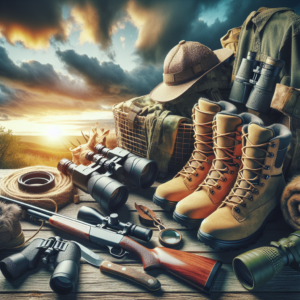
Having the right equipment is paramount for a successful hunting trip. Your gear should be tailored to the type of hunting you plan to do, the game you are targeting, and the environment you will be in.
Firearms and Ammunition
Select firearms that are suitable for the game you are hunting. Ensure your weapons are in good working condition and that you have adequate ammunition. Practice shooting and familiarize yourself with your firearm before the trip. Safety should always be a priority, so review and adhere to gun safety principles.
Clothing and Footwear
Appropriate clothing and footwear are essential for comfort and safety. Invest in high-quality, weather-appropriate gear that provides camouflage, insulation, and protection. Waterproof and durable footwear is crucial, especially in wet or rugged terrains. Remember to pack extra clothing for unexpected weather conditions.
Additional Gear and Supplies
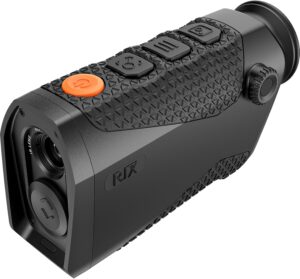
Essential gear includes knives, binoculars, maps, compasses, GPS devices, and first-aid kits. Consider bringing calls or decoys if they are relevant to your hunting method. Additionally, pack enough food, water, and emergency supplies to last the duration of your trip. Always prepare for the unexpected.
Safety and Emergency Preparedness
Safety should be at the forefront of your hunting trip planning. Hunting involves inherent risks, and being prepared can prevent accidents and ensure a positive experience.
Communication and Navigation
Ensure you have reliable communication devices, such as a satellite phone or a two-way radio, especially in remote areas with limited cell coverage. Knowing your location and being able to communicate with others is vital in emergencies. Familiarize yourself with the area’s terrain, and always carry a map and compass or GPS device.
First Aid and Emergency Kits
Carry a comprehensive first aid kit tailored to potential hunting injuries. Include items such as bandages, antiseptics, pain relievers, and any personal medications. An emergency kit should also contain a flashlight, fire-starting tools, a whistle, and a multi-tool. These items can be lifesavers in unexpected situations.
Safety Protocols and Training
Review and practice safety protocols before your trip. This includes firearm safety, wildlife encounters, and survival techniques. Consider taking a hunter safety course or refresher training, especially if you are a novice. Being informed and prepared enhances both your safety and enjoyment.
Planning for Success
The ultimate goal of your hunting trip is success, which can mean different things to different hunters. Whether it’s harvesting game, enjoying nature, or spending quality time with friends and family, planning is key to achieving your objectives.
Setting Realistic Goals
Define what success means for you on this trip. Set realistic goals based on your experience, the location, and the available game. Remember that hunting is not just about the harvest; it’s an opportunity to connect with nature and enjoy the outdoors.
Adapting and Learning
Be prepared to adapt your plans as needed. Conditions in the field can change, and flexibility is crucial. Use each trip as a learning experience, refining your skills and strategies for future hunts. Keep a journal of your experiences to track successes and areas for improvement.
Respect for Nature and Conservation
Respect the environment and wildlife. Practice ethical hunting by adhering to regulations, minimizing waste, and respecting the natural habitat. Engage in conservation efforts to ensure that future generations can enjoy hunting as you do.
Conclusion
Mastering hunting trip planning involves a comprehensive approach that considers location, timing, gear, safety, and personal goals. By following these steps, you can enhance your chances of success and ensure a safe, enjoyable experience. Remember that hunting is not just about the end result, but the journey itself. Embrace the adventure, and happy hunting!
#ChatGPT assisted in the creation of this article.