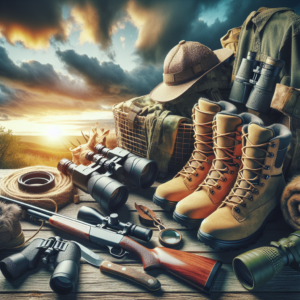
Hunting is a time-honored tradition that combines skill, patience, and an appreciation of nature. While the thrill of the hunt is undeniable, safety should always be the top priority. Whether you’re a seasoned hunter or a novice stepping into the wild for the first time, understanding and implementing essential hunting safety tips is crucial. This article delves into the fundamental aspects of hunting safety, ensuring that you not only have a successful hunt but also a safe return home.
Understanding the Importance of Hunting Safety
The great outdoors can be unpredictable, and the risks associated with hunting are numerous. From accidental discharges and falls to adverse weather conditions, every hunter must be prepared for a range of scenarios. Hunting safety is not merely about personal protection; it’s about safeguarding fellow hunters, the environment, and the wildlife. By adhering to safety guidelines, hunters can prevent accidents and contribute to a culture of responsibility and respect.
Essential Pre-Hunt Preparations
Check Your Equipment
Before embarking on a hunting trip, thoroughly inspect your equipment. Ensure that firearms are clean, properly maintained, and functioning correctly. Check scopes, sights, and other accessories for alignment and damage. For bowhunters, examine the bowstring, arrows, and release mechanisms. Regular maintenance not only enhances performance but also prevents malfunctions that could lead to accidents.
Know the Area
Familiarity with the hunting area is vital for safety and success. Prior to the hunt, study maps, and understand the terrain, potential hazards, and access points. If possible, scout the area in advance to identify game trails, water sources, and safe shooting zones. Knowing the lay of the land helps in planning your hunt and can be crucial in case of emergencies.
Check the Weather
Weather conditions can change rapidly, affecting visibility, mobility, and comfort. Always check the weather forecast before heading out, and be prepared for sudden shifts. Dress in layers to accommodate temperature changes and pack rain gear if needed. Understanding weather patterns can help you plan your hunt more effectively and avoid potentially dangerous situations.
Personal Safety Measures
Wear Appropriate Clothing
Appropriate clothing is essential for safety and comfort. Wear blaze orange or other high-visibility clothing to make yourself noticeable to other hunters. This is especially important during deer season or in areas with heavy hunting traffic. Additionally, wear sturdy boots for ankle support and protection against uneven terrain.
Use Safety Gear
Safety gear can significantly reduce the risk of injuries. Always wear hearing and eye protection when using firearms. If you’re hunting from a tree stand, use a full-body harness to prevent falls. Make sure all safety gear is in good condition and used correctly.
Stay Hydrated and Nourished
Physical exertion and environmental factors can lead to dehydration and fatigue. Carry sufficient water and high-energy snacks to maintain energy levels. Avoid alcohol and drugs, as they impair judgment and reaction time, increasing the risk of accidents.
Firearm and Bow Safety
Handle Firearms Responsibly
Firearm safety is paramount in hunting. Always treat every firearm as if it’s loaded, and never point it at anything you do not intend to shoot. Keep your finger off the trigger until you are ready to fire. Be aware of your target and what’s beyond it to prevent accidental shootings.
Practice Safe Archery
For bowhunters, safe handling of archery equipment is crucial. Ensure that your bow is suitable for your strength and skill level. Practice proper shooting techniques and always be aware of your surroundings. Never shoot an arrow without a clear path to the target.
Communication and Emergency Preparedness
Stay Connected
Communication is key to hunting safely. Always inform someone of your hunting plans, including your location and expected return time. Carry a fully charged mobile phone or a two-way radio for emergencies. In areas with poor reception, consider a satellite phone or personal locator beacon.
Carry a First-Aid Kit
A well-stocked first-aid kit is a must-have in your hunting gear. Include items such as bandages, antiseptic wipes, pain relievers, and a tourniquet. Familiarize yourself with basic first-aid procedures, as quick response can be critical in the event of an injury.
Respect for Wildlife and the Environment
Understand Wildlife Behavior
Educating yourself about the behavior and habits of the game you’re pursuing can enhance your safety and success. Understand the seasonal patterns, feeding habits, and typical reactions of the wildlife in your hunting area. This knowledge can help you anticipate animal movements and avoid dangerous encounters.
Practice Ethical Hunting
Ethical hunting involves respect for the animals and their habitats. Follow all regulations regarding hunting seasons, limits, and permitted areas. Avoid taking shots that you are not confident in, as wounding an animal without a clean kill is both unethical and unsafe. Always strive for a humane harvest.
Conclusion
Hunting is a rewarding activity that allows individuals to connect with nature, develop skills, and participate in wildlife management. However, safety must remain the top priority at all times. By mastering essential hunting safety tips, hunters can ensure a successful and responsible experience in the great outdoors. Remember, a safe hunt is a successful hunt. Equip yourself with knowledge, respect the environment, and cherish the memories made during each hunting adventure.
#ChatGPT assisted in the creation of this article.