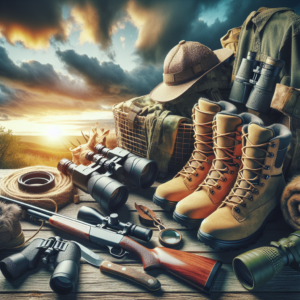
The early hunting season is a time of excitement and anticipation for hunters. The woods are full of life, and game animals are often more predictable because they haven’t been pressured by hunters yet. However, early season hunting comes with its own set of challenges. Warm temperatures, dense foliage, and changing animal behavior can make hunting during this time both rewarding and challenging. This article will provide you with expert tips and strategies to master early season hunting, ensuring you make the most of this prime hunting period.
Understanding Animal Behavior in Early Season
During the early season, animals often follow a more predictable pattern. Understanding these patterns is crucial for a successful hunt.
Deer Behavior
Deer are still in their summer routines, which typically involve feeding in open areas during the morning and evening. They are less nocturnal compared to later in the season, making them more visible during daylight hours. Bucks are often found in bachelor groups, and their home ranges are relatively small. Understanding these patterns can help you pinpoint their location and increase your chances of a successful hunt.
Elk Behavior
For elk hunters, the early season coincides with the pre-rut period. Bulls are beginning to establish dominance and may start bugling. Finding wallows and water sources can be particularly effective during this time. Elk are also more likely to be found at higher elevations, where temperatures are cooler.
Preparation and Scouting
Preparation is key to success in any hunt, and early season hunting is no exception. Scouting and understanding the terrain and game patterns can significantly increase your chances of success.
Scouting Techniques
1. **Pre-Season Scouting**: Before the season starts, spend time observing the areas you plan to hunt. Look for signs of game such as tracks, trails, and feeding areas. Trail cameras can be incredibly beneficial for monitoring animal movement and behavior.
2. **Identify Food Sources**: Early season hunting often revolves around food sources. Identify where animals are feeding and set up your hunting location accordingly. This might include agricultural fields, oak stands with acorns, or lush meadows.
3. **Water Sources**: In the early season, water can be a critical factor. Animals need to stay hydrated, especially in warmer climates. Identifying and setting up near water sources can increase your chances of encountering game.
Gear and Equipment
Having the right gear can make or break your early season hunt. The warm weather and dense foliage require specific equipment considerations.
Clothing
1. **Lightweight and Breathable**: Early season hunting often involves warm temperatures. Choose lightweight, breathable clothing to stay comfortable. Moisture-wicking fabrics can help keep you dry.
2. **Camouflage**: With the dense foliage, camouflage is crucial. Opt for patterns that match the early season environment, focusing on greens and browns.
Optics and Rangefinders
Clear optics are essential during the early season when foliage can obstruct views. A quality pair of binoculars and a rangefinder will help you accurately judge distances and spot game through the thick cover.
Tree Stands and Ground Blinds
1. **Tree Stands**: Tree stands provide an excellent vantage point and keep your scent above ground level. Ensure they are securely set up before the season begins.
2. **Ground Blinds**: For those who prefer to hunt from the ground, a well-camouflaged ground blind can be effective. Ensure it blends with the environment and is set up well in advance to allow animals to acclimate to its presence.
Strategies for Success
Implementing effective strategies can significantly enhance your early season hunting success.
Timing Your Hunts
1. **Early and Late**: The best times to hunt are often early morning and late afternoon when animals are most active. Plan to be in position before first light and stay until after sunset.
2. **Hunt the Wind**: Always consider wind direction to avoid alerting game with your scent. Position yourself downwind of the animals’ expected path.
Calling and Decoying
1. **Use Calls Sparingly**: In the early season, animals may not be as responsive to calls as they are during the rut. Use calls sparingly and focus on subtle, realistic sounds.
2. **Decoys**: For species like deer and elk, using decoys can be effective during the early season. Ensure they are realistic and positioned strategically to draw animals into range.
Patience and Adaptability
Patience is a virtue in hunting, particularly during the early season. Be prepared to sit for extended periods and adapt your strategy based on animal behavior and environmental conditions.
Safety Considerations
Safety should always be a priority when hunting. Early season hunting can present unique safety challenges.
Heat and Hydration
Warm temperatures can lead to dehydration and heat-related illnesses. Always carry enough water and take breaks to stay hydrated.
Insect Protection
Insects can be a nuisance during the early season. Use insect repellent and wear long sleeves and pants to protect against bites.
Tree Stand Safety
If using a tree stand, always wear a safety harness and ensure your stand is secure. Check your equipment before climbing to prevent accidents.
Conclusion
Mastering early season hunting requires a combination of preparation, understanding animal behavior, and adapting to environmental conditions. By following these expert tips, you can increase your chances of a successful and rewarding hunting experience. Remember to prioritize safety and enjoy the unique opportunities that the early season offers. Happy hunting!
“`
This article provides a comprehensive guide to early season hunting, covering everything from understanding animal behavior to safety considerations. By incorporating these expert tips, hunters can enhance their skills and increase their chances of success during this exciting time of year.
#ChatGPT assisted in the creation of this article.