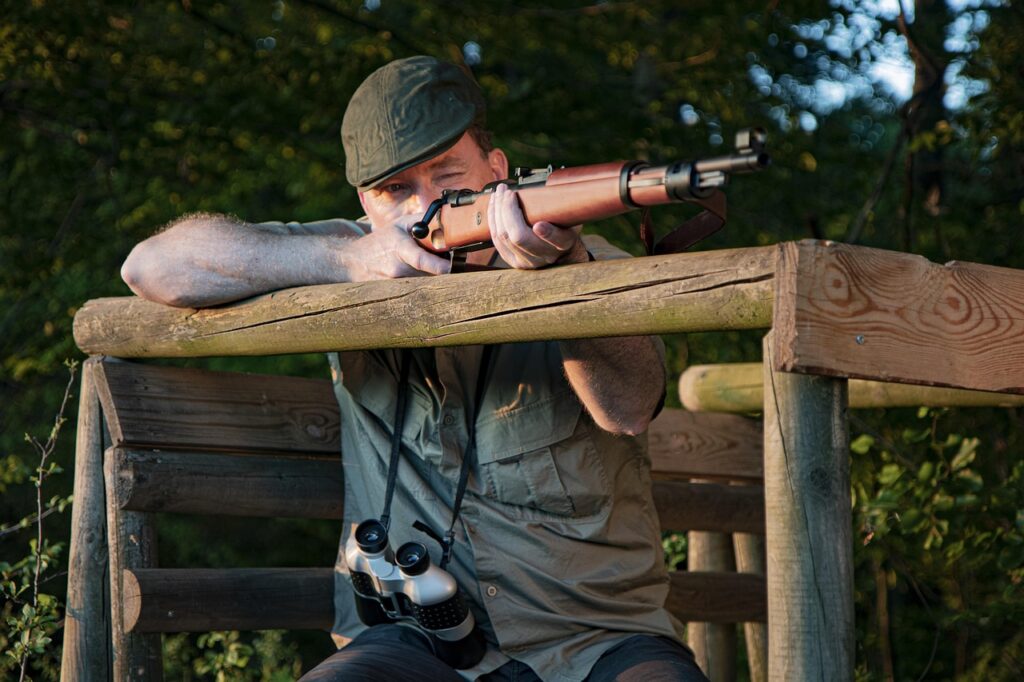
Embarking on your first hunting trip can be both exciting and daunting. As a beginner, it’s crucial to equip yourself with the necessary knowledge and skills to enhance your chances of success while ensuring safety. This guide will walk you through some essential hunting tips that will lay a solid foundation for a rewarding hunting experience.
Understanding Hunting Regulations
Before setting out on your hunting adventure, it’s imperative to familiarize yourself with local hunting regulations. These laws vary by state and region, and they dictate the legal hunting seasons, permissible hunting methods, and specific game you can hunt. Acquiring a hunting license is mandatory, and it serves as proof that you have undergone the necessary training, often including a safety course. Ignorance of the law is not an excuse, so make sure you are well-versed with the legal aspects of hunting in your area.
Choose the Right Gear
Having the right gear can significantly influence your hunting success. As a beginner, focus on the essentials. A reliable rifle or bow, appropriate ammunition or arrows, and a good pair of binoculars are fundamental. Clothing is also crucial; opt for camouflaged outfits that match the terrain and weather conditions. Don’t forget sturdy boots, as you’ll likely cover rough ground. Additionally, a backpack equipped with essential supplies, such as water, snacks, a first-aid kit, and a flashlight, is necessary for safety and comfort.
Learn About Your Quarry
Understanding the behavior and habitat of the game you’re hunting is crucial. Spend time researching various species, their feeding habits, and their active times. This knowledge helps in strategizing your hunt, as you’ll know where and when to find your target. Field guides and online resources are excellent tools for gathering this information. Furthermore, speaking with experienced hunters can provide valuable insights that books and videos may not offer.
Practice Marksmanship
Responsible hunting requires proficiency with your weapon. Invest time in mastering your shooting skills at a local range. Practice different shooting positions, such as standing, kneeling, and prone, to prepare for various hunting scenarios. Consistent practice enhances accuracy and builds confidence, reducing the likelihood of wounding an animal. Remember, ethical hunting entails making clean, humane shots.
Scout the Area
Scouting is a vital step in preparing for a successful hunt. Visit your chosen hunting location ahead of time to familiarize yourself with the terrain. Look for animal signs like tracks, droppings, and bedding areas. Identify potential travel routes and feeding spots. Using trail cameras can provide invaluable information on animal movement patterns, helping you decide where to set up your stand or blind. Familiarity with the land boosts your confidence and increases your chances of a successful hunt.
Plan Your Hunt
A well-thought-out plan enhances your hunting experience. Determine the best time of day to hunt, considering the behavior of your quarry. Early mornings and late afternoons are often prime times for many species. Decide whether you’ll use a stand, blind, or spot-and-stalk method. Each technique has its advantages and may be more suitable for different terrains and game. Ensure you have a clear exit strategy in case of emergencies and inform someone of your plans and expected return time.
Practice Scent Control
Animals have a keen sense of smell, making scent control a critical aspect of hunting. Use scent-free soaps and detergents on your body and clothes, and store your hunting gear in scent-proof bags. Take into account the wind direction when positioning yourself; always try to stay downwind of your target. Additionally, using scent-masking sprays and cover scents can help minimize your presence in the field.
Stay Patient and Observant
Hunting requires patience and keen observation skills. Animals are unpredictable, and it might take hours before you spot your quarry. Avoid unnecessary movement and noise, as these can alert wildlife to your presence. Use your binoculars to scan your surroundings regularly. Patience pays off in hunting, as it allows you to stay composed and ready for the perfect opportunity.
Safety First
Safety cannot be overstated when it comes to hunting. Always handle firearms with the utmost care, treating every weapon as if it’s loaded. Be aware of your target and what’s beyond it before taking a shot. Wearing blaze orange clothing is recommended to ensure you’re visible to other hunters. Additionally, carry a map and compass or a GPS device to prevent getting lost. Familiarize yourself with basic first-aid procedures, as accidents can happen in the wild.
Respect Wildlife and Nature
Ethical hunting involves respecting wildlife and the environment. Adhere to the principles of fair chase, giving animals a fair chance to evade pursuit. Practice leave-no-trace principles by cleaning up after yourself and refraining from disturbing the natural habitat. The goal of hunting is not just to harvest game but to connect with nature and contribute to wildlife conservation.
Reflect and Learn from Your Experience
Every hunting trip is a learning opportunity. Take time to reflect on your experiences, noting what worked well and what could be improved. Did you stay patient? Were your shots accurate? Did you follow your plan effectively? Sharing your experiences with fellow hunters can provide additional insights and foster a supportive community.
Consider a Mentor
Having a mentor can accelerate your learning process. An experienced hunter can provide guidance, share valuable tips, and help you avoid common pitfalls. Many hunting communities and organizations offer mentorship programs for beginners. A mentor can be a valuable resource, offering hands-on experience and personalized advice tailored to your needs.
Conclusion
Hunting is a rewarding pursuit that requires knowledge, skill, and respect for the natural world. By understanding regulations, choosing the right gear, and practicing essential techniques, beginners can set themselves up for success. Remember, the goal is not just to harvest game, but to enjoy the process and connect with nature. With patience, practice, and a commitment to ethical hunting, you’ll find yourself becoming a confident and responsible hunter.
#ChatGPT assisted in the creation of this article.