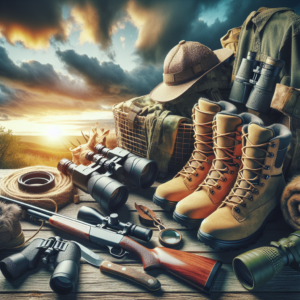
Hunting is a passion that requires a significant investment in gear. Whether you’re an experienced hunter or a novice just getting started, maintaining your hunting gear is crucial for ensuring it performs optimally and lasts for many seasons. Proper maintenance not only extends the lifespan of your equipment but also enhances your safety and success in the field. In this article, we’ll explore essential hunting gear maintenance tips for longevity, covering everything from firearms to clothing.
Firearms Maintenance
Taking care of your firearms is a top priority for any hunter. Regular maintenance ensures that your weapon functions correctly and safely.
Cleaning
After every hunting trip, it’s vital to clean your firearm. Use a bore brush to remove any residue from the barrel, and follow up with a patch soaked in solvent to eliminate any remaining grime. Finally, run a dry patch through the barrel to remove any solvent before applying a light coat of gun oil to prevent rust.
Lubrication
Proper lubrication is key to ensuring the moving parts of your firearm operate smoothly. Apply a small amount of gun oil to the bolt, slide, and other moving parts. Be careful not to over-lubricate, as excess oil can attract dirt and debris, causing malfunctions.
Storage
Store your firearms in a cool, dry place. Consider using a gun safe with a dehumidifier to prevent moisture buildup, which can lead to rust. Always ensure your firearms are unloaded before storage.
Optics Care
Optics play a crucial role in hunting, providing the clarity and precision needed for an accurate shot. Proper maintenance of scopes and binoculars is essential.
Lens Cleaning
Use a soft brush or air blower to remove dust and debris from the lenses. Follow up with a microfiber cloth and lens cleaner specifically designed for optics. Avoid using your shirt or other rough materials that can scratch the lenses.
Protection
When not in use, protect your optics with lens caps or covers. This prevents scratches and damage during transport and storage.
Alignment and Calibration
Regularly check the alignment and calibration of your scopes. Vibrations from shooting can cause them to shift, affecting accuracy. If you notice any issues, recalibrate according to the manufacturer’s instructions or consult a professional.
Clothing and Footwear
Your hunting apparel is your first line of defense against the elements. Proper care will ensure it remains effective and durable.
Cleaning
Follow the care instructions on your clothing labels to avoid damaging the materials. Use a scent-free detergent to maintain camouflage effectiveness and avoid fabric softeners that can degrade waterproof coatings.
Waterproofing
Reapply waterproofing treatments to your clothing and footwear as needed. Products like spray-on waterproofing or wax for boots can help maintain their water resistance.
Storage
Store your clothing in a cool, dry place, and avoid compressing materials like down, which can lose their insulating properties. Consider using garment bags or vacuum-sealed storage to protect against pests.
Knives and Tools
A sharp, reliable knife is an essential tool for any hunter. Proper maintenance ensures it remains effective for field dressing and other tasks.
Sharpening
Regularly sharpen your knives with a whetstone or sharpening system. A dull blade is not only less effective but also more dangerous, as it requires more force to use.
Cleaning and Oiling
Clean your knives after each use with warm water and mild soap. Dry them thoroughly before applying a light coat of oil to the blade to prevent rust.
Storage
Store knives in a sheath or knife roll to protect both the blade and yourself. Keep them in a dry place to prevent corrosion.
Packs and Backpacks
Your pack carries all your essentials, so it’s important to keep it in good condition.
Cleaning
Empty your pack and remove any dirt or debris. Most backpacks can be cleaned with a mild detergent and a soft brush. Rinse thoroughly and allow it to air dry completely before storage.
Repairs
Inspect your pack for any damage, such as tears or broken zippers. Repair minor damage promptly to prevent it from worsening. Many manufacturers offer repair services for more significant issues.
Storage
Store your pack in a cool, dry place. Avoid compressing it too much, as this can damage the frame or padding.
Miscellaneous Gear
Other essential gear, such as calls, GPS devices, and decoys, also require regular maintenance.
Electronics
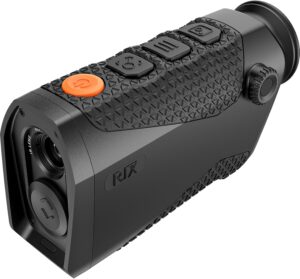
For electronic devices, like GPS units and rangefinders, ensure they are fully charged before your trip. Remove batteries during the off-season to prevent corrosion.
Calls
Clean your calls with warm, soapy water after each use to remove any residue. Allow them to dry thoroughly before storage.
Decoys
Inspect decoys for damage and repair or replace them as needed. Clean them with a mild detergent and water to remove dirt and grime.
Conclusion
Maintaining your hunting gear is an ongoing process that demands attention to detail and dedication. By following these essential maintenance tips, you can significantly extend the life of your equipment, ensuring it performs at its best when you need it most. Proper care of your firearms, optics, clothing, tools, packs, and miscellaneous gear not only enhances your hunting experience but also contributes to a safer and more successful outing in the field. Invest the time and effort into maintaining your gear, and it will serve you well for many hunting seasons to come.
#ChatGPT assisted in the creation of this article.