Hunting is not just about skill and equipment; the environment plays a crucial role in determining the success of a hunting trip. Elevation is one of the critical environmental factors that can impact hunting outcomes. Understanding how elevation affects wildlife behavior, accessibility, and hunting strategies can significantly enhance your chances of success. This guide aims to provide a comprehensive understanding of hunting at various elevations, offering insights and strategies to maximize your hunting success.
Understanding Elevation and Its Impact
Elevation refers to the height above sea level, and it can influence several environmental factors such as temperature, vegetation, and animal behavior. As elevation increases, temperatures generally decrease, vegetation types change, and oxygen levels drop. These changes can affect where animals live, their feeding patterns, and their movements.
Low Elevation Hunting (0-1,500 feet)
Characteristics
Hunting at low elevations often means you’re in flat or rolling terrain with a mild climate. The vegetation is typically lush, offering ample cover for both hunters and prey. Common game species found at these elevations include deer, wild turkey, and waterfowl.
Strategies
– **Scouting and Tracking:** At lower elevations, game animals have access to abundant food resources, making scouting and tracking essential. Look for signs like tracks, droppings, and feeding areas.
– **Camouflage and Concealment:** Use the dense vegetation to your advantage for concealment. Effective use of natural cover can bring you closer to your prey.
– **Timing and Weather:** Animals at lower elevations are often more active during cooler parts of the day. Pay attention to weather patterns, as they can influence animal activity.
Mid Elevation Hunting (1,500-4,500 feet)
Characteristics
Mid-elevation zones feature a mix of forested and open landscapes. The climate is generally cooler, and the vegetation varies from dense forests to open meadows. Common game species in these areas include elk, mule deer, and black bear.
Strategies
– **Understanding Terrain:** Mid elevations often feature varied terrain. Familiarize yourself with the landscape to plan effective stalking strategies.
– **Using Calls and Decoys:** With more open spaces, game calls and decoys can be effective in attracting animals into shooting range.
– **Layered Clothing and Gear:** The weather can change rapidly at mid elevations. Wear layered clothing to adjust to temperature fluctuations and ensure you have the right gear for changing conditions.
High Elevation Hunting (4,500+ feet)
Characteristics
High elevation hunting presents unique challenges, including rugged terrain, thin air, and often harsh weather conditions. Game species at these elevations include mountain goats, bighorn sheep, and certain deer species adapted to alpine environments.
Strategies
– **Physical Preparedness:** The physical demands of high elevation hunting cannot be overstated. Acclimatize to the altitude before your hunt, and focus on endurance and strength training.
– **Navigational Skills:** Rugged terrain requires excellent navigational skills. Use topographic maps, GPS, and compass to avoid getting lost.
– **Weather Monitoring:** Weather can change rapidly at high elevations. Regularly check forecasts and be prepared for sudden snowfalls or thunderstorms.
Elevation and Animal Behavior
Elevation affects not only the environment but also the behavior of game animals. Understanding these behavioral changes can enhance your hunting strategy.
Migration Patterns
Many species migrate based on elevation. For instance, elk and deer might move to lower elevations during winter to avoid deep snow. Understanding these patterns can help hunters anticipate where animals are likely to be during different times of the year.
Feeding Behavior
Vegetation changes with elevation, influencing what and when animals eat. High-altitude animals may graze on different plant species than those found at lower elevations. This knowledge can inform where to set up blinds or when to track specific species.
Breeding Seasons
Elevation can also affect the timing of breeding seasons. Higher elevation animals may breed later in the year compared to their lower elevation counterparts. Knowing the breeding seasons can help in planning hunts during peak times of animal activity.
Preparing for Elevation Challenges
Hunting at varying elevations requires specific preparations to ensure safety and success.
Physical Conditioning
Regardless of elevation, physical fitness is crucial. However, higher elevations demand greater stamina and cardiovascular fitness. Regular exercise, focusing on cardiovascular health and strength training, can prepare you for the rigors of high elevation hunting.
Gear and Equipment
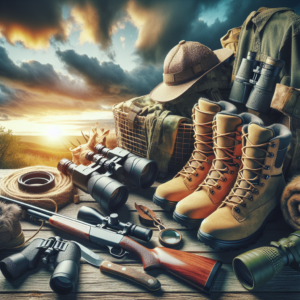
– **Clothing:** Invest in high-quality, layered clothing that can adapt to temperature changes. Waterproof and insulated gear is essential for high elevation hunts.
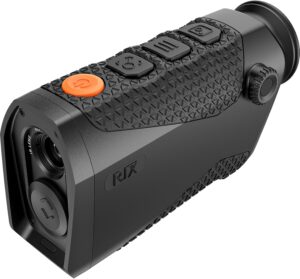
– **Optics:** Quality binoculars and scopes are vital for spotting game over long distances, especially in open mid and high elevation terrains.
– **Footwear:** Durable, waterproof boots with good ankle support are crucial for navigating rough terrain.
Acclimatization
If hunting at high elevations, allow time to acclimate. Spend a few days at a moderate elevation before ascending to higher altitudes to reduce the risk of altitude sickness.
Safety Considerations
Safety is paramount in any hunting scenario but becomes even more critical at higher elevations.
Altitude Sickness
Be aware of the symptoms of altitude sickness, which include headaches, nausea, and dizziness. Descend to a lower elevation if symptoms persist.
Weather Risks
Hypothermia and frostbite are real dangers at higher elevations where weather can change abruptly. Always carry emergency supplies and know how to use them.
Navigation and Communication
Ensure you have reliable communication devices and that someone knows your hunting plan and expected return time. In remote areas, consider carrying a satellite phone or emergency beacon.
Conclusion
Elevation is a critical factor in hunting that influences animal behavior, environmental conditions, and hunting strategies. By understanding and adapting to the challenges and opportunities presented by different elevations, hunters can increase their success rates significantly. Whether you’re stalking deer in lush lowlands, calling elk in mid-elevation forests, or pursuing mountain goats on high alpine slopes, the right preparation and strategy tailored to the elevation can make all the difference.
Embark on your next hunting adventure with confidence, knowing that you are equipped with the knowledge to tackle the unique challenges posed by different elevations. Happy hunting!
#ChatGPT assisted in the creation of this article.