Hunting is a time-honored tradition that requires skill, patience, and a deep understanding of the natural world. Whether you’re a seasoned hunter or a novice, proper preparation is essential for a successful outing. A comprehensive checklist can make all the difference in ensuring both safety and success. In this article, we present the ultimate hunting preparation checklist to guide you through the essential steps before heading into the wilderness.
Research and Planning
Before setting out, it’s crucial to conduct thorough research and planning. Knowing your target species, understanding the terrain, and being aware of local hunting regulations can significantly impact your success.
Know Your Game
Understanding the behavior, habitat, and characteristics of your target species is fundamental. Study their seasonal patterns, feeding habits, and preferred environments. This knowledge will help you anticipate their movements and increase your chances of a successful hunt.
Scout the Area
Familiarize yourself with the hunting area. Use maps and GPS tools to navigate the terrain. If possible, visit the location ahead of time to identify game trails, feeding areas, and potential obstacles. This will help you plan your approach and establish strategic vantage points.
Understand Local Regulations
Each region has specific hunting regulations that must be followed. Ensure you have the necessary licenses and permits. Familiarize yourself with bag limits, legal hunting hours, and any restricted areas. Compliance with these rules is essential to avoid legal issues and ensure sustainable hunting practices.
Gear and Equipment
Having the right gear and equipment is critical for a successful hunt. Investing in quality tools and ensuring they are in good condition can make a significant difference.
Clothing and Footwear
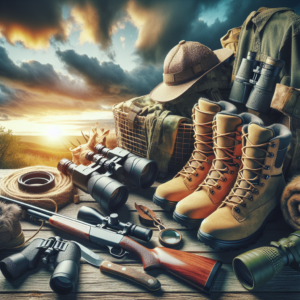
Dress appropriately for the weather and terrain. Invest in moisture-wicking, camouflage clothing that will keep you warm and dry. Sturdy, waterproof boots with good traction are essential for navigating rough terrain. Don’t forget a hat and gloves for added protection and comfort.
Weapons and Ammunition
Choose the appropriate weapon for your hunt, whether it’s a rifle, bow, or shotgun. Ensure your weapon is properly sighted and in good working condition. Bring enough ammunition or arrows, and always carry extra in case of emergencies.
Optics
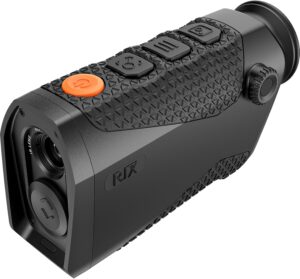
A good pair of binoculars and a reliable rifle scope can greatly enhance your ability to spot and accurately target game. Test your optics before heading out to ensure they are clean and functioning properly.
Backpack and Supplies
Pack a durable backpack with essential supplies such as a first aid kit, knife, rope, flashlight, and matches or a lighter. Include food, water, and a portable water purifier. It’s also wise to carry a map, compass, or GPS device for navigation.
Physical and Mental Preparation
Hunting can be physically demanding, especially in rugged terrain. Preparing your body and mind is just as important as preparing your gear.
Physical Fitness
Engage in regular physical exercise to build stamina and strength. Focus on cardiovascular fitness, endurance, and core strength. Being in good physical shape will improve your ability to handle long treks and carry heavy gear without fatigue.
Mental Readiness
Hunting requires patience, focus, and quick decision-making. Practice mindfulness and stress-reduction techniques to stay calm and sharp in high-pressure situations. Familiarize yourself with hunting strategies and develop a mindset that balances aggression with caution.
Safety Measures
Safety should always be a top priority during any hunting expedition. Taking preventative measures can reduce the risk of accidents and ensure a safe experience.
Identify Risks
Be aware of potential hazards in your hunting area, such as dangerous wildlife, unstable terrain, or extreme weather conditions. Develop a plan to mitigate these risks and know how to respond in case of an emergency.
Communicate Plans
Inform someone of your hunting plans, including your location and expected return time. Carry a fully charged cell phone or a satellite communication device for emergencies. Establish a check-in protocol with someone who can assist if needed.
Practice Safe Weapon Handling
Always treat your weapon as if it’s loaded. Keep the muzzle pointed in a safe direction and your finger off the trigger until you’re ready to shoot. Be sure of your target and what lies beyond it. Regularly review and practice safety procedures to prevent accidents.
On-the-Field Strategies
Once you’re on the field, employing effective strategies can enhance your hunting success. Adapting to the environment and conditions will increase your chances of a fruitful hunt.
Utilize Stealth Techniques
Move quietly and slowly to avoid alerting game to your presence. Pay attention to wind direction to minimize your scent. Use natural cover to conceal your movements and avoid making sudden noises.
Understand Animal Behavior
Pay close attention to signs of animal activity, such as tracks, droppings, and disturbed vegetation. Understanding these clues can help you anticipate the movement and behavior of your target species.
Be Patient and Persistent
Hunting often requires long periods of waiting and observing. Be patient and remain vigilant. Persistence is key; if you don’t succeed immediately, adapt your strategy and try again.
Post-Hunt Protocol
After a successful hunt, it’s important to follow proper post-hunt procedures to ensure the ethical treatment of your game and the environment.
Field Dressing
Learn and practice field dressing techniques to quickly and efficiently process your game. Proper field dressing preserves the quality of the meat and prevents spoilage. Ensure you have the necessary tools and knowledge before heading out.
Transporting Game
Safely and legally transport your game from the field to your home or processor. Use appropriate containers and coolers to keep the meat fresh. Be aware of local regulations regarding the transportation of game.
Respect Wildlife and Environment
Leave no trace of your presence in the wilderness. Properly dispose of waste and avoid damaging vegetation or disturbing other wildlife. Ethical hunters respect the natural world and contribute to conservation efforts.
Conclusion
Success in hunting is not solely measured by the game you harvest but by the experience and respect you gain in the process. A thorough preparation checklist is an invaluable tool that can enhance your hunting experience, ensuring safety, compliance, and ethical practices. By combining research, strategic planning, and respect for nature, you can enjoy a rewarding and successful hunting adventure. Remember, the ultimate goal is to connect with nature, hone your skills, and contribute to the sustainable management of wildlife resources.
#ChatGPT assisted in the creation of this article.