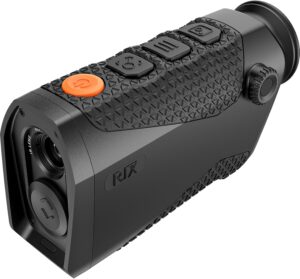
Turkey hunting is a challenging yet rewarding outdoor pursuit that demands skill, patience, and knowledge of both the prey and the environment. Mastering turkey hunting requires an understanding of the bird’s behavior, effective use of equipment, and strategic planning. This article will delve into proven tips and techniques to enhance your turkey hunting success.
Understanding Turkey Behavior
Know Your Prey
Turkeys are wary creatures with keen senses. They have excellent eyesight and can detect movement from a considerable distance. To outsmart them, it’s crucial to understand their habits and behaviors.
Seasonal Patterns
Turkeys exhibit different behaviors depending on the season. In the spring, males (toms) are more vocal and aggressive as they seek mates, making them more responsive to calls. In the fall, turkeys form flocks and are often more focused on feeding. Recognizing these patterns can inform your strategy.
Roosting and Feeding Habits
Turkeys typically roost in trees at night and descend at first light to feed. Understanding their roosting locations and the routes they take to feeding areas can help you position yourself for a successful hunt.
Essential Gear for Turkey Hunting
Camouflage
Given a turkey’s sharp eyesight, appropriate camouflage is vital. Choose patterns that match the environment and cover all exposed skin, including your hands and face, to blend seamlessly with your surroundings.
Calls
Mastering turkey calls is crucial. There are various types of calls, including box calls, slate calls, and diaphragm calls. Each has its advantages, and proficiency with multiple calls can make you adaptable to different situations.
Decoys
Decoys can be incredibly effective in luring turkeys. During spring, use hen decoys to attract toms, while in the fall, a more complex setup involving tom and hen decoys can simulate a flock and draw in curious birds.
Firearms and Ammunition
Shotguns are the preferred weapon for turkey hunting. A 12-gauge shotgun with a full choke and turkey-specific loads is commonly used. Ensure your firearm is well-sighted and practice regularly to maintain accuracy.
Strategic Setup and Calling Techniques
Scout Your Area
Pre-season scouting is essential. Identify roosting sites, feeding areas, and travel routes by looking for signs like tracks, droppings, and feathers. This information will help you choose effective hunting spots.
Set Up Early
Arrive at your hunting location well before dawn to minimize disturbances. Setting up near known roosting sites can increase your chances of encountering turkeys as they begin their morning activities.
Effective Calling
Calling is an art form in turkey hunting. Begin with soft clucks and purrs to gauge a turkey’s response. If you hear a gobble, increase the intensity and frequency of your calls. Avoid over-calling, as turkeys can become suspicious.
Patience and Adaptability
Turkeys can be unpredictable. If a bird isn’t responding, don’t hesitate to change locations or modify your calling strategy. Patience is key; sometimes, waiting quietly yields the best results.
Safety Considerations
Identify Your Target
Always ensure you have a clear view of your target and what’s beyond it. Misidentifying a target can lead to accidents, so never shoot at movement or sounds without visual confirmation.
Wear Hunter Orange
While camouflage is essential, wearing hunter orange when moving through the woods can help other hunters identify you as a person and not game, reducing the risk of accidents.
Be Aware of Your Surroundings
Always be conscious of other hunters in the area. Avoid setting up in crowded spots and communicate with fellow hunters to ensure everyone’s safety.
Post-Hunt Practices
Field Dressing
Proper field dressing is crucial for preserving the meat and ensuring a successful harvest. Learn the correct techniques for cleaning and storing your turkey to prevent spoilage.
Reflect and Learn
After each hunt, take time to reflect on what worked and what didn’t. Keeping a hunting journal can help you track patterns and improve your strategies over time.
Conclusion
Mastering turkey hunting is a rewarding endeavor that combines skill, strategy, and an understanding of nature. By honing your knowledge of turkey behavior, utilizing the right equipment, and employing strategic setups and calling techniques, you can increase your chances of success. Remember, patience and adaptability are your greatest allies in the field. With practice and perseverance, you can become a proficient turkey hunter, enjoying the thrill of the chase and the satisfaction of a successful hunt.
Additional Resources
For further information on turkey hunting, consider exploring resources such as local hunting guides, online forums, and turkey hunting workshops. These can provide valuable insights and connect you with experienced hunters who can share their wisdom and experiences.
#ChatGPT assisted in the creation of this article.