Night hunting, a thrilling yet highly regulated activity, draws many hunters seeking a unique and challenging experience. With the cover of darkness adding an extra layer of difficulty, it is essential for hunters to be well-versed in the intricate web of laws and regulations that govern this pursuit. This comprehensive guide aims to provide a clear understanding of night hunting laws, ensuring that enthusiasts are both safe and compliant while engaging in this nocturnal adventure.
The Appeal of Night Hunting
Night hunting offers a distinct allure for both seasoned hunters and newcomers alike. The opportunity to hunt nocturnal game, such as raccoons, foxes, and coyotes, presents a chance to engage with wildlife in a way that daylight hunting does not. The use of specialized equipment, such as night vision scopes and thermal imaging, adds to the excitement and challenge. However, the appeal of night hunting is tempered by stringent laws designed to protect wildlife and ensure ethical hunting practices.
General Overview of Night Hunting Laws
Night hunting laws vary significantly from state to state and even within regions of a state. Generally, these regulations are put in place to balance the interests of hunters with the need to conserve wildlife populations and maintain public safety. Key aspects of night hunting laws include the species that can be hunted, permissible hunting methods and equipment, specific hunting seasons, and licensing requirements.
Species Restrictions
Many jurisdictions restrict night hunting to certain species, often those considered pests or predators. Commonly allowed species for night hunting include feral hogs, coyotes, foxes, and raccoons. These animals are often abundant and can pose threats to agriculture and livestock, thereby justifying more lenient hunting regulations. However, hunters must be aware of protected species and ensure they are targeting the correct game.
Permissible Methods and Equipment
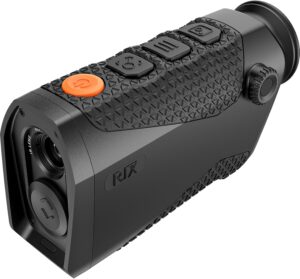
The methods and equipment allowed for night hunting are heavily regulated to ensure safety and ethical practices. Commonly permitted tools include night vision and thermal imaging devices, but hunters should check local laws as some areas have restrictions on their use. Additionally, the use of artificial light to spot game is often regulated, with some jurisdictions only allowing it when targeting specific species.
Seasonal Considerations
Night hunting seasons are often distinct from general hunting seasons and can vary based on the targeted species. Some states permit night hunting year-round for certain animals, while others have specific time frames. It’s crucial for hunters to familiarize themselves with these seasonal regulations to avoid legal infractions.
Licensing and Permits
Obtaining the appropriate licenses and permits is a fundamental requirement for night hunting. Hunters typically need a standard hunting license, and in some cases, additional permits specifically for night hunting. These permits may come with additional fees and regulations, such as mandatory reporting of harvests or restrictions on the number of animals that can be taken.
State-Specific Regulations
As previously mentioned, night hunting laws differ greatly across states, making it imperative for hunters to research and understand the specific regulations in their area. Below are examples of how regulations can vary:
Texas
Texas is known for its relatively liberal night hunting laws, particularly concerning feral hogs and coyotes, which can be hunted at night using night vision, thermal optics, and artificial lights. The state does not require a hunting license for feral hogs on private property, though landowner consent is necessary.
Florida
In Florida, night hunting is permitted for certain species such as wild hogs and raccoons. However, the use of artificial lights is subject to specific regulations, and hunters must adhere to designated hunting seasons and obtain the necessary permits.
Virginia
Virginia allows night hunting for certain species, including coyotes and feral hogs, but prohibits the use of artificial lights in some cases. Hunters must also comply with specific county regulations, as local governments may impose additional restrictions.
Safety and Ethical Considerations
Safety and ethics are paramount in night hunting, with hunters required to take precautions to prevent accidents and ensure humane treatment of wildlife. Key considerations include:
Identifying Targets
Proper identification of targets is crucial to avoid accidentally harming non-target species or humans. Hunters should ensure they have a clear line of sight and are using appropriate optics to positively identify their target.
Communication and Coordination
If hunting in groups, clear communication and coordination are essential to prevent accidents. Hunters should establish clear signals and maintain awareness of each other’s positions at all times.
Ethical Hunting Practices
Ethical hunting involves ensuring a quick and humane kill. Hunters should be proficient with their equipment and avoid taking shots that are beyond their skill level or pose a risk of injuring the animal without a clean kill.
Legal Consequences of Non-Compliance
Violating night hunting laws can result in severe legal consequences, including fines, loss of hunting privileges, and even criminal charges. Hunters found guilty of illegal activities may face penalties that vary based on the severity of the infraction and the jurisdiction in which it occurred.
To avoid these repercussions, hunters should diligently research and adhere to all applicable laws and regulations, maintain up-to-date licenses and permits, and practice ethical and safe hunting techniques.
Conclusion
Night hunting presents a unique and exhilarating experience for those willing to embrace its challenges. By understanding and respecting the laws and regulations that govern this activity, hunters can ensure they are engaging in a safe, ethical, and legal pursuit. As with all forms of hunting, knowledge, preparation, and respect for wildlife are the keys to a successful and rewarding experience.
#ChatGPT assisted in the creation of this article.