Blood tracking is an invaluable skill for hunters, enhancing the likelihood of a successful hunt and ensuring ethical practices. Mastering the art of blood tracking involves understanding animal behavior, recognizing signs of a hit, and following a trail efficiently. This comprehensive guide will provide you with essential tips to refine your blood tracking abilities, ensuring you can locate your quarry with confidence and precision.
Understanding the Importance of Blood Tracking
Before diving into the techniques, it is crucial to understand why blood tracking is important. Successful blood tracking not only increases your chances of finding wounded game but also minimizes suffering by allowing you to locate and dispatch animals swiftly. Moreover, it helps prevent wastage of meat and resources, aligning with ethical hunting practices.
Preparing for the Hunt
Preparation is key to effective blood tracking. Here are some essential steps to prepare before heading out:
1. Know Your Quarry
Familiarize yourself with the anatomy and behavior of the animal you are hunting. Understanding vital organs and preferred habitats will help you anticipate where an animal is likely to go after being hit.
2. Equip Yourself Properly
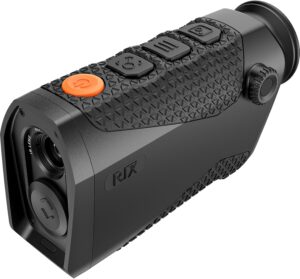
Carry essential gear such as binoculars, a flashlight, a GPS device, markers (such as flagging tape), and a quality knife. A blood-trailing dog can also be an invaluable companion.
3. Understand the Terrain
Scout the area beforehand to understand the terrain. Familiarize yourself with potential obstacles and features that may affect the trail, such as water sources, thick brush, or steep slopes.
Recognizing the Signs of a Hit
Identifying signs of a hit is the first step in successful blood tracking. Pay close attention to these indicators:
1. Reaction of the Animal
Observe the animal’s reaction upon being hit. A mule kick often indicates a lung hit, while a hunched posture might suggest a gut shot. This initial response can provide clues about the severity and location of the hit.
2. Blood Evidence
Inspect the site of impact for blood. Bright red, frothy blood usually indicates a lung shot, while dark red blood suggests a liver hit. Greenish or foul-smelling blood signifies a gut shot. The color and consistency of blood can guide your tracking strategy.
3. Hair and Tissue
Look for hair or tissue at the impact site. The type and color of hair can help determine the area of the body that was hit, further assisting in evaluating the shot’s effectiveness.
Tracking the Blood Trail
Once you have identified a hit, the real work of blood tracking begins. Follow these strategies to ensure an efficient pursuit:
1. Mark the Trail
Use flagging tape or biodegradable markers to mark the trail as you follow it. This allows you to track your progress and retrace your steps if necessary. Avoid disturbing the trail as much as possible.
2. Take Your Time
Patience is vital in blood tracking. Move slowly and methodically, scanning for blood droplets, disturbed vegetation, and tracks. Rushing can lead to missing vital clues or spooking the animal further.
3. Analyze Blood Patterns
Pay attention to the blood trail’s pattern. Consistent blood drops indicate a steady bleeding rate, while a trail that diminishes over time may suggest clotting. Pools of blood can indicate where the animal paused or rested.
4. Use a Grid Search
If the trail becomes faint or is lost, conduct a grid search of the area. This systematic approach increases the chances of relocating the trail, especially in dense or difficult terrain.
Utilizing Technology and Tools
Modern technology can greatly enhance blood tracking efforts. Consider incorporating these tools into your strategy:
1. GPS Devices
A GPS device or app can help you navigate unfamiliar terrain and mark locations of interest. This is particularly useful in vast hunting areas where getting disoriented is a risk.
2. Blood Tracking Dogs
Trained blood-tracking dogs are highly effective in locating wounded game. Their keen sense of smell can detect even faint blood trails, making them invaluable assets in challenging conditions.
3. Flashlights and UV Lights
Low-light conditions can make tracking difficult. A powerful flashlight or UV light can help illuminate blood droplets, making them more visible in dim settings.
Learning from Experience
Experience is a valuable teacher in mastering blood tracking. Reflect on each hunt and consider what went well and what could be improved. Share experiences with fellow hunters to gain insights and learn new techniques.
1. Keep a Journal
Document your hunts in a journal, noting details such as weather conditions, terrain, and blood trail characteristics. Over time, this record will become a valuable resource for identifying patterns and refining your skills.
2. Seek Mentorship
Learning from experienced hunters can accelerate your skill development. Seek mentorship from seasoned trackers who can provide guidance and share practical knowledge.
Conclusion
Mastering blood tracking is a crucial skill for hunters, enhancing both success rates and ethical standards. By understanding animal behavior, recognizing signs of a hit, and employing effective tracking techniques, you can increase your chances of recovering game swiftly and humanely. Additionally, leveraging modern tools and learning from experience will further refine your abilities. As you continue to hone your skills, remember that patience, preparation, and persistence are key to becoming a proficient blood tracker.
By applying these essential tips and continuously learning, you can become a master of blood tracking, contributing to more successful and responsible hunting endeavors.
#ChatGPT assisted in the creation of this article.