Still hunting is a time-honored technique that demands patience, skill, and an intimate understanding of the environment. Unlike other hunting methods that rely on blinds or stands, still hunting involves stealthily moving through the terrain, observing and listening for game. This technique prioritizes the hunter’s ability to blend in with the surroundings and remain undetected by the game. In this article, we will explore the top techniques for mastering still hunting, offering insights and tips to help hunters enhance their success rate.
Understanding the Basics of Still Hunting
At its core, still hunting is about moving slowly and quietly through the woods, with the primary goal of spotting game before it spots you. This method is especially effective for hunting deer, elk, and other big game. Essential to still hunting is the hunter’s ability to read the environment, understand animal behavior, and react appropriately to signs of game presence.
Patience and Stealth
The foundation of still hunting is patience. Unlike other hunting techniques where action is more immediate, still hunting requires the hunter to move at a snail’s pace, often taking only a few steps every minute. This deliberate pace minimizes noise and helps the hunter remain undetected.
Stealth goes hand-in-hand with patience. Wearing quiet clothing, moving against the wind, and avoiding stepping on twigs or dry leaves are crucial. The goal is to become a part of the environment, not a foreign presence that alarms the game.
Reading the Environment
Successful still hunters possess a deep understanding of the terrain. This includes recognizing game trails, feeding areas, and bedding sites. Being able to identify signs of game activity, such as tracks, droppings, or rubbed trees, is critical. The ability to interpret these signs can lead the hunter to areas with higher chances of spotting game.
Advanced Techniques for Still Hunting
While the basics of still hunting provide a solid foundation, mastering this technique involves incorporating advanced strategies that fine-tune your approach and increase your chances of success.
Using Natural Cover
Natural cover is a still hunter’s ally. Trees, bushes, and terrain features can be used to break up the hunter’s silhouette, making them less visible to game. Moving from cover to cover, always ensuring you are concealed, is a key strategy. Additionally, using the terrain to your advantage, such as hills or ridges, can help you stay out of sight while scanning for game.
Optimal Timing
Timing plays a significant role in still hunting. Early morning and late afternoon are prime times for still hunting, as many game animals are more active during these periods. The soft light during these times also makes it easier to remain undetected. Understanding the daily routines and habits of your target species will allow you to plan your hunt for when they are most likely to be on the move.
Sound and Scent Control
Sound and scent can betray even the most cautious hunter. Wearing scent-blocking clothing, using scent eliminators, and moving against the wind are vital tactics to prevent your scent from reaching the game. Furthermore, moving slowly and deliberately will help reduce noise. Pause frequently to listen for movement, and use natural sounds, like wind or rustling leaves, to mask your movements.
Equipment and Gear for Still Hunting
While the skills and techniques of still hunting are paramount, the right equipment can enhance your effectiveness and comfort in the field.
Clothing and Footwear
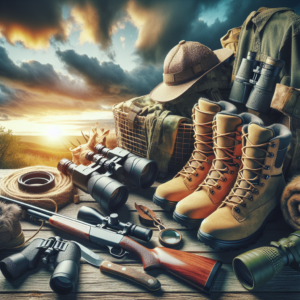
Clothing should be chosen with stealth and comfort in mind. Opt for soft, quiet fabrics in natural colors or camouflage to blend with the environment. Layering is important, as it allows you to adjust to changing temperatures. Footwear should be comfortable and provide good traction, while also being quiet enough to avoid alerting game.
Optics and Firearms
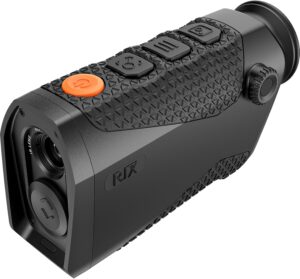
A good pair of binoculars is essential for scanning the terrain and spotting game from a distance. High-quality optics can make the difference between spotting game early or missing your opportunity. Your choice of firearm or bow should match the game you are pursuing, with accuracy and reliability being key considerations. Additionally, practice with your weapon is crucial to ensure you can make a clean, ethical shot when the opportunity arises.
Backpack and Essentials
A lightweight backpack can help carry essential gear without hindering your movement. Items such as a map, compass, water, snacks, a first-aid kit, and a knife are important. Keeping your pack organized and accessible will allow you to focus on the hunt without distraction.
Ethics and Safety in Still Hunting
Ethical considerations and safety are paramount in still hunting. Respect for the animals and the environment should guide your actions.
Respect for Wildlife
Ethical hunting practices ensure the sustainability of wildlife populations. Always adhere to hunting regulations and only take shots you are confident will result in a quick, humane kill. Familiarize yourself with the anatomy of the game you are hunting to ensure precision.
Safety Precautions
Safety should never be compromised. Always identify your target and what lies beyond it before taking a shot. Wearing blaze orange is recommended, especially in areas with other hunters, to increase visibility and prevent accidents. Additionally, always inform someone of your hunting plans and expected return.
Conclusion: The Art of Still Hunting
Mastering still hunting is as much about mindset as it is about technique. It requires a deep connection with nature, an understanding of animal behavior, and the ability to move with patience and purpose. By incorporating the techniques discussed in this article, hunters can enhance their skills and increase their chances of success while enjoying the profound experience that still hunting offers.
In the end, still hunting is a journey of personal growth and immersion in the natural world, where each hunt is an opportunity to learn and refine your skills. Whether you are a seasoned hunter or new to the practice, the art of still hunting offers a rewarding and challenging pursuit that connects you with the primal roots of hunting.
“`
#ChatGPT assisted in the creation of this article.