Cold weather hunting presents a unique set of challenges and opportunities for hunters. While the frigid temperatures can be daunting, they also provide a pristine environment where game is more active and visible. Mastering cold weather hunting involves understanding the behavior of wildlife during these months, preparing adequately for the harsh conditions, and employing effective strategies to ensure a successful hunt. In this comprehensive guide, we will explore essential tips and strategies that will help you become proficient in cold weather hunting.
Understanding Wildlife Behavior in Cold Weather
One of the key aspects of successful cold weather hunting is understanding how wildlife adapts to the colder temperatures. Animals like deer, elk, and other game species alter their behavior in response to the cold. During the colder months, animals tend to be more active during daylight hours to conserve energy and stay warm. This knowledge is crucial for hunters as it influences timing and strategy.
Movement Patterns
In cold weather, animals are likely to change their movement patterns in search of food. Food becomes scarce, and animals often move longer distances to find sustenance. Understanding these patterns can help hunters position themselves strategically along known feeding routes or near food sources such as agricultural fields, mast-producing trees, or natural browse areas.
Body Heat Conservation
Wildlife will seek out areas that offer protection from the elements, such as thick cover or south-facing slopes that receive more sunlight. These areas can become important hunting spots. By understanding where animals are likely to seek shelter, hunters can increase their chances of spotting game.
Preparation: Gear and Clothing
The right gear and clothing are critical components of a successful cold weather hunt. Hypothermia and frostbite are real risks, and being prepared can make the difference between a rewarding outing and a dangerous situation.
Layering System
A proper layering system is essential for staying warm and comfortable. Start with a moisture-wicking base layer to keep sweat away from your skin. Follow this with insulating layers such as fleece or down, and finish with a waterproof, windproof outer layer. This combination will allow you to regulate your body temperature effectively.
Footwear and Accessories
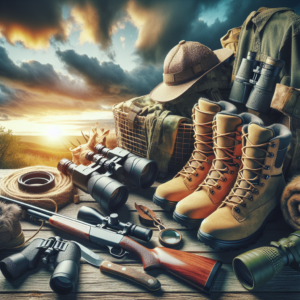
Cold feet can quickly ruin a hunt. Invest in high-quality, insulated boots that provide both warmth and support. Wool socks are a great choice for retaining heat. Additionally, wearing a hat, gloves, and a neck gaiter will help prevent heat loss from extremities, which are particularly vulnerable to the cold.
Strategies for Cold Weather Hunting
Having the right strategies can significantly enhance your hunting success during cold weather conditions.
Timing Your Hunt
As wildlife tends to be more active during daylight hours in cold weather, plan your hunts around these periods. Early morning and late afternoon can be particularly productive as animals move to and from feeding and bedding areas.
Utilizing Natural Cover
Natural cover such as brush, trees, and terrain features can be used to your advantage. These provide not only concealment but also protection from the wind, which can help you stay warm and undetected.
Patience and Persistence
Cold weather hunting often requires more patience and persistence than other types of hunting. Animals may be less predictable, and it can take longer to spot them. Staying in one position longer and maintaining a high level of alertness can pay off.
Safety Considerations
Safety should always be a top priority when hunting, and cold weather adds additional risks that must be managed.
Navigation and Communication
Ensure you have a reliable method of navigation, such as a GPS device or a detailed map and compass. Also, carry a fully charged mobile phone or a satellite communication device to call for help if needed.
Emergency Preparedness
Always carry a basic survival kit that includes items like fire-starting materials, a space blanket, and high-energy snacks. These can be lifesaving if you find yourself stranded or injured.
Conclusion
Cold weather hunting can be a rewarding and exhilarating experience if approached with the right knowledge and preparation. By understanding wildlife behavior, dressing appropriately, employing effective strategies, and prioritizing safety, you can enhance your success and enjoyment while hunting in frigid conditions. Whether you’re a seasoned hunter or a newcomer to cold weather hunting, these tips and strategies will help you make the most of your time in the field.
#ChatGPT assisted in the creation of this article.