Embarking on a hunting trip is not just about the thrill of the chase; it encompasses a broad spectrum of experiences, from planning and preparation to the execution of the hunt and savoring the natural beauty of your surroundings. To ensure a successful hunting trip, it’s crucial to prepare meticulously. This article delves into essential hunting travel tips that can make the difference between a memorable adventure and a frustrating experience.
Research Your Destination
Before setting out on your hunting expedition, thorough research of your chosen destination is paramount. Understanding the region’s terrain, climate, and seasonal variations can significantly influence your hunting strategy and gear selection. Investigate the wildlife species you intend to hunt, their habits, and the local regulations governing hunting. Many areas have specific hunting seasons and restrictions on certain game, so compliance is essential.
Know the Terrain
Familiarize yourself with maps and GPS systems to comprehend the topography of your hunting area. Knowing the layout of the land, including water sources, elevation changes, and potential hazards, can enhance your safety and increase your chances of success. Consider consulting with local guides or hunters who can provide insights into the best hunting spots.
Understand Local Regulations
Regulations can vary widely depending on your destination. Ensure that you have the appropriate hunting licenses and permits required by the local authorities. Ignorance of regulations can result in hefty fines or even the confiscation of your equipment. Pay attention to bag limits, hunting methods allowed, and any conservation efforts in place to protect local wildlife populations.
Gear Up Appropriately
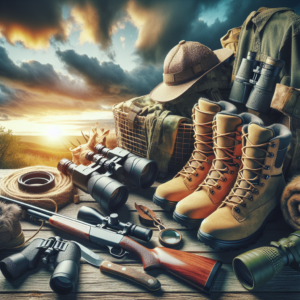
Equipping yourself with the right gear is essential for both safety and success. The gear you need will vary depending on the type of game you are hunting, the environment, and the duration of your trip.
Clothing
Select clothing appropriate for the climate and terrain. Layering is crucial, as it allows you to adjust to changing temperatures. Camouflage patterns that match the local environment can help you blend in, while blaze orange is typically required for safety during firearm seasons. Don’t forget sturdy, waterproof boots for traversing rugged landscapes.
Weapons and Ammunition
Ensure your weapons are well-maintained and suitable for the game you are pursuing. Familiarize yourself with local laws regarding the types of firearms or bows allowed. Bring sufficient ammunition or arrows and keep them securely stored. Practice your marksmanship before the trip to ensure accuracy and ethical hunting.
Survival Gear
Safety should never be compromised. Always carry a first-aid kit, a reliable knife, a compass or GPS device, and a means of starting a fire. A portable water filter or purification tablets can be lifesavers in remote areas. Depending on the location, consider bringing bear spray or other wildlife deterrents.
Plan Your Travel Logistics
Efficient planning of travel logistics can prevent last-minute hiccups and ensure a smooth journey to and from your hunting destination.
Transportation
Decide how you will reach your destination, whether by road, air, or a combination of both. If driving, ensure your vehicle is in good working condition and capable of handling off-road conditions if necessary. For air travel, check airline regulations regarding transporting firearms and hunting gear.
Accommodation
Book accommodation well in advance, especially during peak hunting seasons. Options range from rustic camping to lodges or hotels depending on your preference and budget. Ensure that your accommodation choice provides secure storage for your gear and complies with any local restrictions.
Prepare Physically and Mentally
Hunting can be physically demanding, requiring endurance and strength to navigate challenging terrains and carry heavy gear. Equally important is mental preparation for the unpredictability of wildlife and the patience required during the hunt.
Fitness
Engage in a fitness regimen that includes cardiovascular exercise, strength training, and flexibility. Simulating conditions you might encounter, such as hiking with a loaded backpack, can enhance your endurance and prevent injuries.
Mental Readiness
Mental toughness is crucial when dealing with the challenges of hunting. Practice mindfulness and stress management techniques to help maintain composure during high-pressure situations. Understand that not every hunt will be successful, and patience is key.
Practice Ethical Hunting
Ethical hunting ensures the sustainability of wildlife populations and the preservation of the natural environment.
Respect Wildlife
Adopt a fair chase ethic, giving animals a sporting chance and avoiding unnecessary suffering. Make clean, humane kills and avoid taking shots beyond your capability. Respect all wildlife, even those not on your target list.
Leave No Trace
Minimize your environmental impact by adhering to the Leave No Trace principles. Pack out all trash, avoid damaging vegetation, and follow designated trails and campsites. Your goal should be to leave the wilderness as pristine as you found it.
Stay Connected
Maintaining communication with your hunting party and those back home is crucial for safety and peace of mind.
Communication Devices
Carry a reliable communication device such as a satellite phone or a two-way radio, especially in remote areas with limited cell coverage. Keep family or friends informed of your itinerary and check in regularly.
Emergency Plans
Develop an emergency plan in case of accidents or getting lost. Know the location of the nearest medical facilities and have a strategy for evacuation if necessary. Understanding basic first aid can be lifesaving in emergencies.
Enjoy the Experience
While the goal of a hunting trip is often to harvest game, it’s important to appreciate the entire experience, from the beauty of nature to the camaraderie with fellow hunters.
Take Time to Observe
Spend time observing wildlife behaviors and the natural environment. This not only enhances your hunting skills but also deepens your appreciation for nature.
Build Camaraderie
Hunting trips are an excellent opportunity to bond with friends and family. Share stories, learn from each other, and create lasting memories beyond the hunt.
In conclusion, a successful hunting trip is a blend of thorough preparation, respect for nature, and an appreciation for the adventure itself. By following these essential hunting travel tips, you can ensure a safe, ethical, and rewarding experience in the great outdoors.
#ChatGPT assisted in the creation of this article.