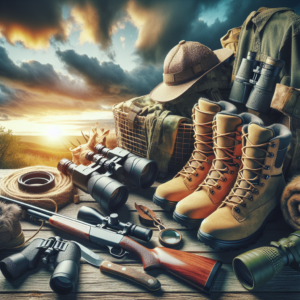
Public land hunting offers an unparalleled opportunity to explore vast landscapes, test your skills, and enjoy the thrill of the hunt. While hunting on public lands can be challenging due to competition and variable conditions, armed with the right strategies, you can significantly boost your chances of success. Here are some top tips to enhance your public land hunting experience.
Research and Scouting
The cornerstone of a successful hunt is thorough research and scouting. Start by identifying potential hunting areas. Utilize online resources such as state wildlife agency websites, which often provide detailed maps and information about public lands. Pay attention to terrain features, water bodies, and vegetation types that might attract your target species.
Use Technology
Technology can be your ally in scouting. Tools like Google Earth give you a bird’s-eye view of the terrain, helping you identify promising spots. Additionally, apps designed for hunters can provide topographic maps, GPS tracking, and even real-time animal activity data.
Field Scouting
Once you’ve gathered enough information, make time for field scouting. Visit the area before the hunting season begins, if possible. Look for signs of animal activity such as tracks, droppings, and feeding areas. This firsthand observation is invaluable and gives you the lay of the land, preparing you for the actual hunt.
Understand the Regulations
Public lands are governed by specific regulations that vary by location and species. Ensure you are fully aware of these rules, which include season dates, bag limits, and specific gear restrictions. Ignorance of the law is not an excuse and can lead to fines or loss of hunting privileges.
Check for Permits
Some public lands may require special permits or tags. Apply well in advance, as these can be limited and highly sought-after. Monitoring state wildlife agency announcements can keep you informed about permit lotteries and deadlines.
Focus on Less Pressured Areas
One of the challenges of public land hunting is dealing with high hunter density. To increase your success rate, seek areas that are less pressured. This may mean hiking further from the access points or hunting during weekdays when there are fewer hunters. Animals in less pressured areas are more likely to exhibit natural behaviors, making them easier to hunt.
Go the Extra Mile
Many hunters stick to areas close to roads and trails. By venturing deeper into the wilderness, you can find more secluded spots where game is less wary. This extra effort can lead to more rewarding encounters.
Timing is Everything
Understanding the behavior patterns of your target species can greatly enhance your chances of success. Wildlife activity often peaks during early morning and late afternoon hours. Plan your hunts around these times to increase your chances of encountering game.
Seasonal Considerations
Consider the time of year and its impact on animal behavior. For instance, during the rut, deer are more active and less cautious, presenting more opportunities for hunters. Similarly, migration periods for birds can lead to higher concentrations in certain areas.
Adaptability is Key
The ability to adapt is crucial when hunting on public lands. Conditions can change rapidly, and being versatile in your approach can make all the difference. Be prepared to adjust your strategies based on weather changes, hunter pressure, and animal movements.
Gear Adjustments
Ensure your gear is suited to the conditions. This might mean packing lightweight equipment for long hikes or waterproof gear if rain is forecast. Being adaptable with your gear ensures you’re prepared for whatever nature throws your way.
Practice Ethical Hunting
Ethical hunting is essential, not only for the sustainability of wildlife populations but also for the reputation of hunters as a whole. Practice fair chase principles, ensure clean shots, and make every effort to retrieve any game you harvest.
Respect Other Hunters
Public lands are shared spaces. Show respect for fellow hunters by maintaining a safe distance and avoiding interference with their hunts. Communication and courtesy can go a long way in ensuring a positive experience for everyone involved.
Safety First
Safety should always be your top priority when hunting. Always let someone know your plans and expected return time. Carry a first-aid kit, a map, and a compass, and be aware of your surroundings at all times. Wearing blaze orange can help prevent accidents by making you visible to other hunters.
Weather Awareness
Check the weather forecast before heading out and be prepared for sudden changes. Dress appropriately and be aware of potential hazards like thunderstorms or extreme cold, which can pose serious risks.
Conclusion
Hunting on public lands can be a rewarding experience, offering abundant opportunities for those willing to put in the effort. By conducting thorough research, understanding regulations, and employing strategic hunting techniques, you can significantly enhance your success. Remember that adaptability, ethical practices, and safety are paramount. With these tips in mind, you’re well on your way to a successful public land hunting adventure.
#ChatGPT assisted in the creation of this article.